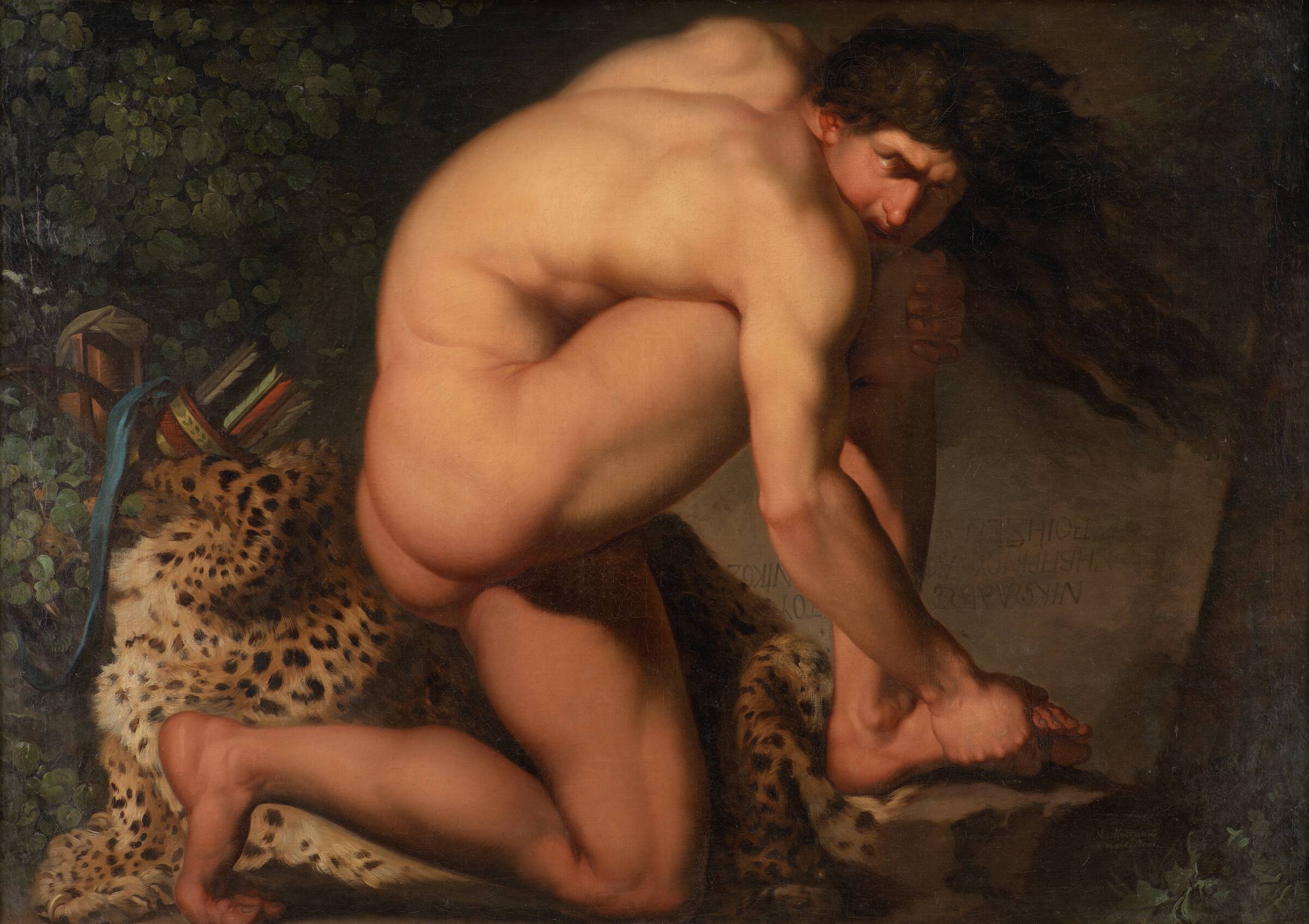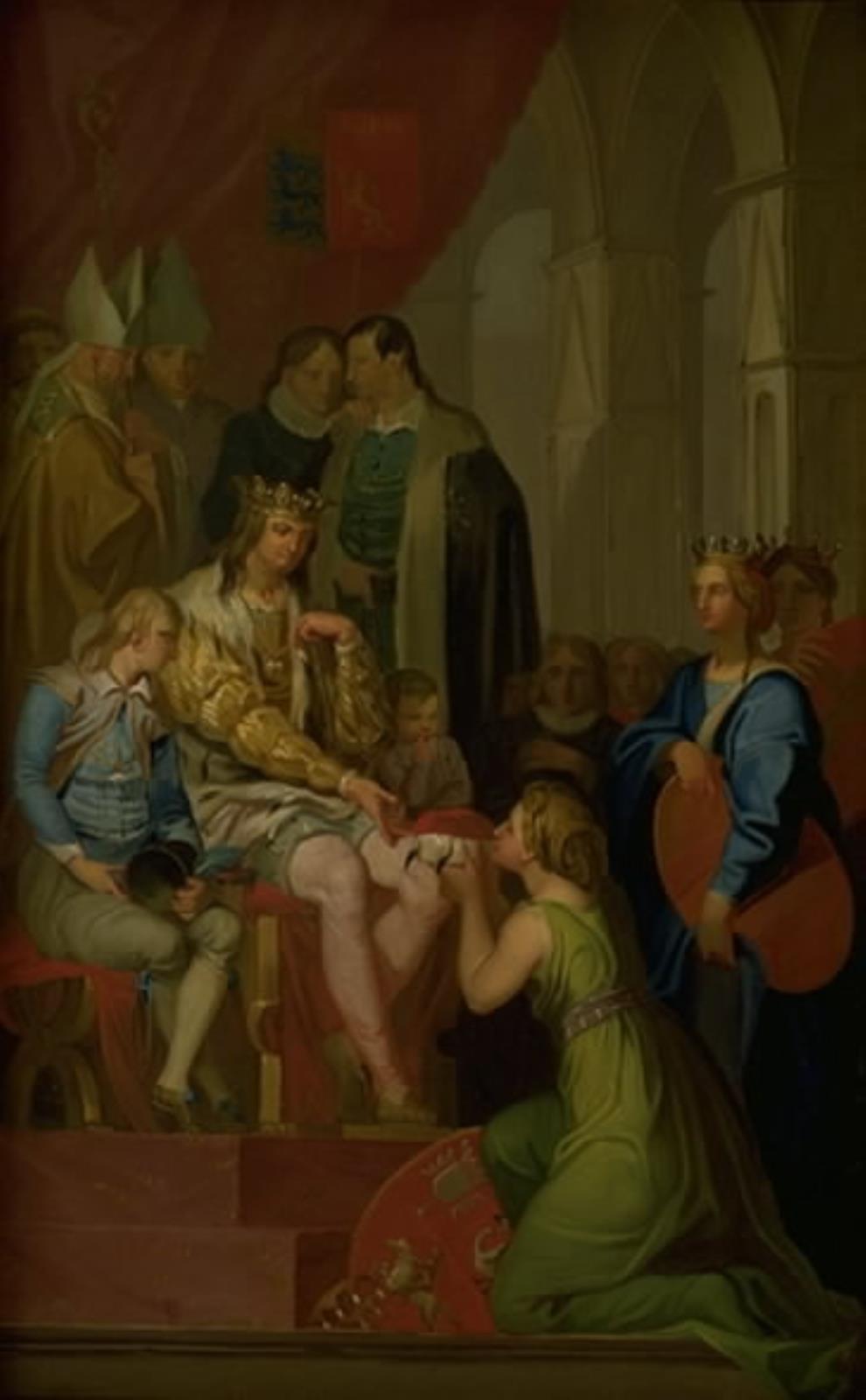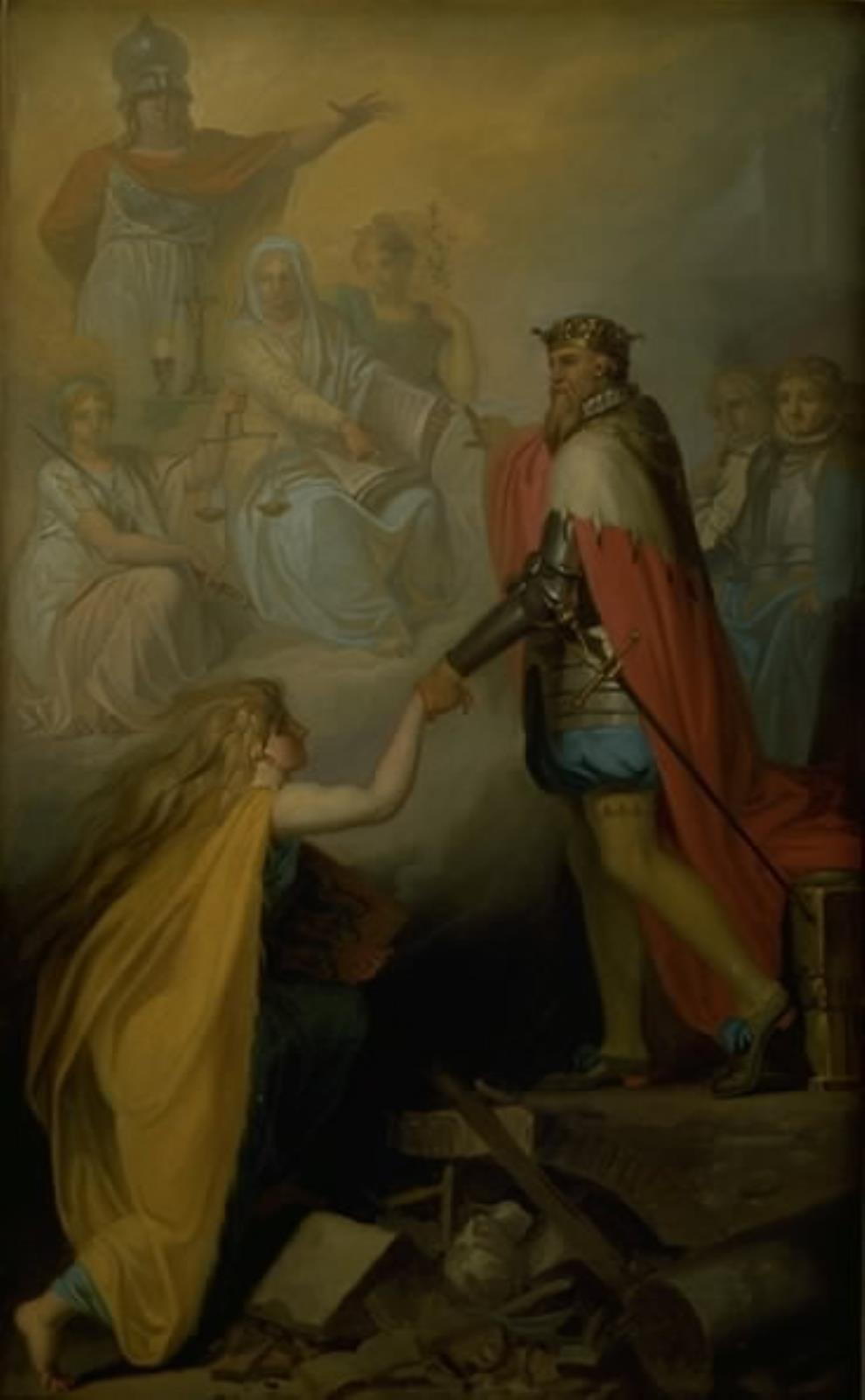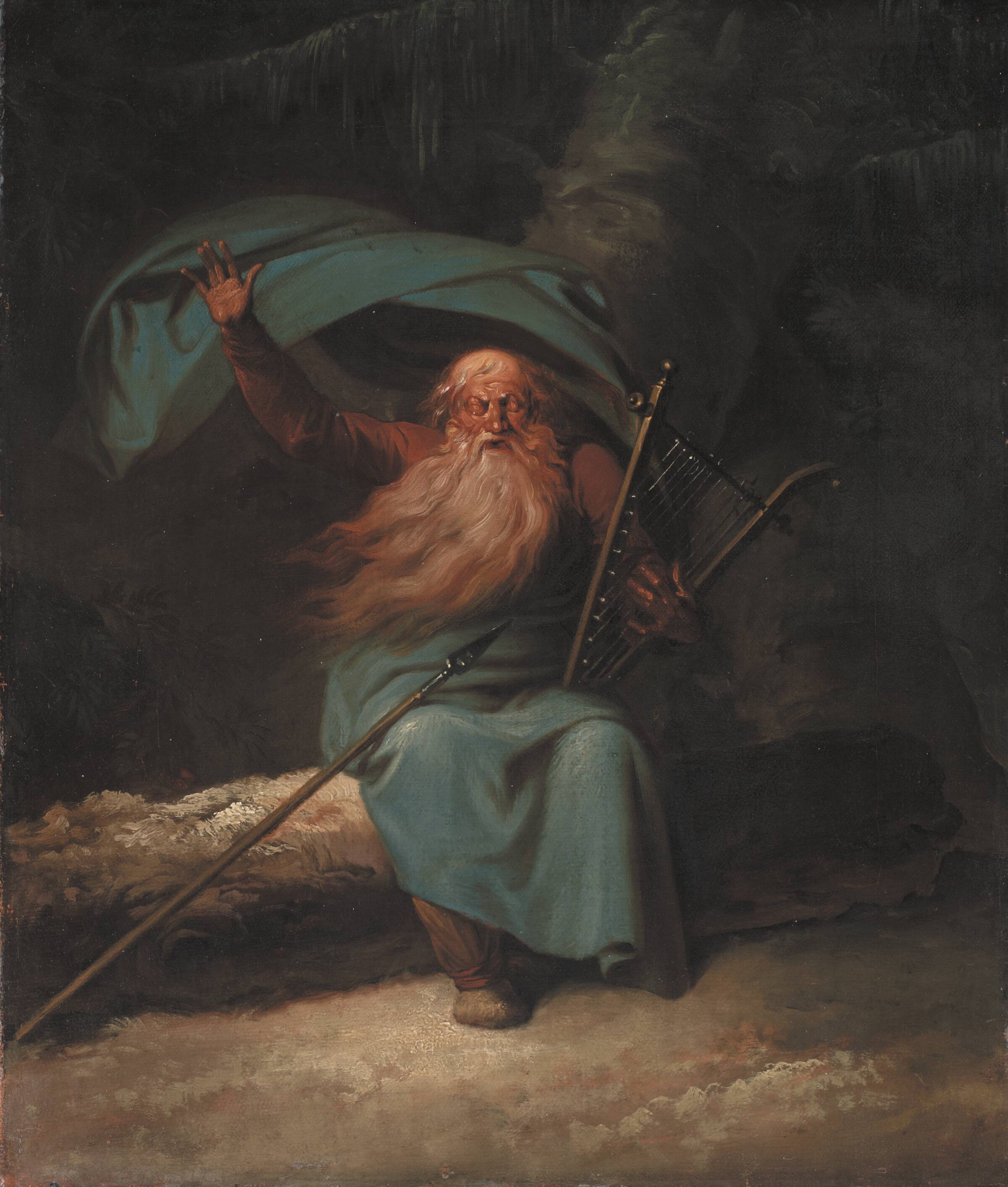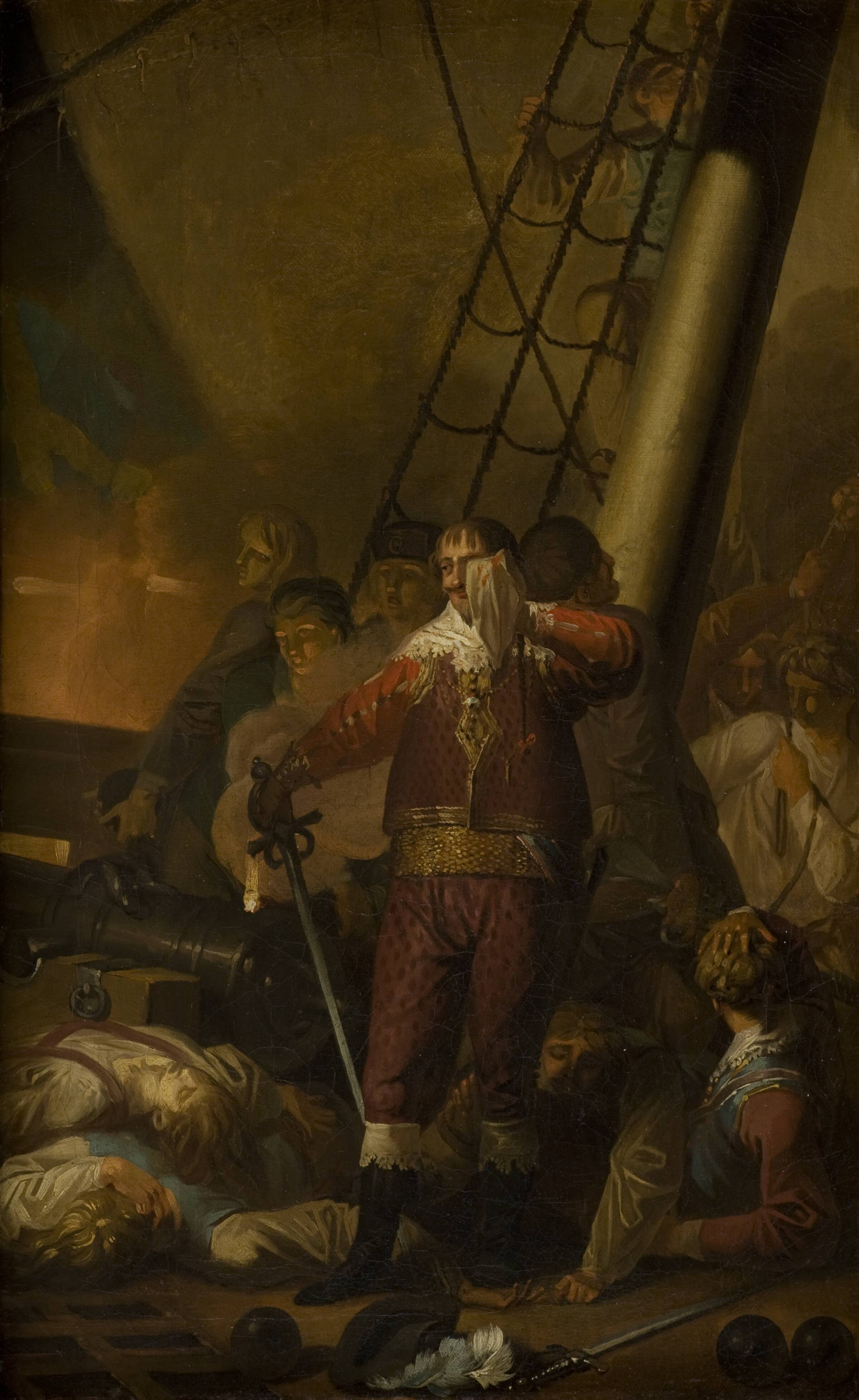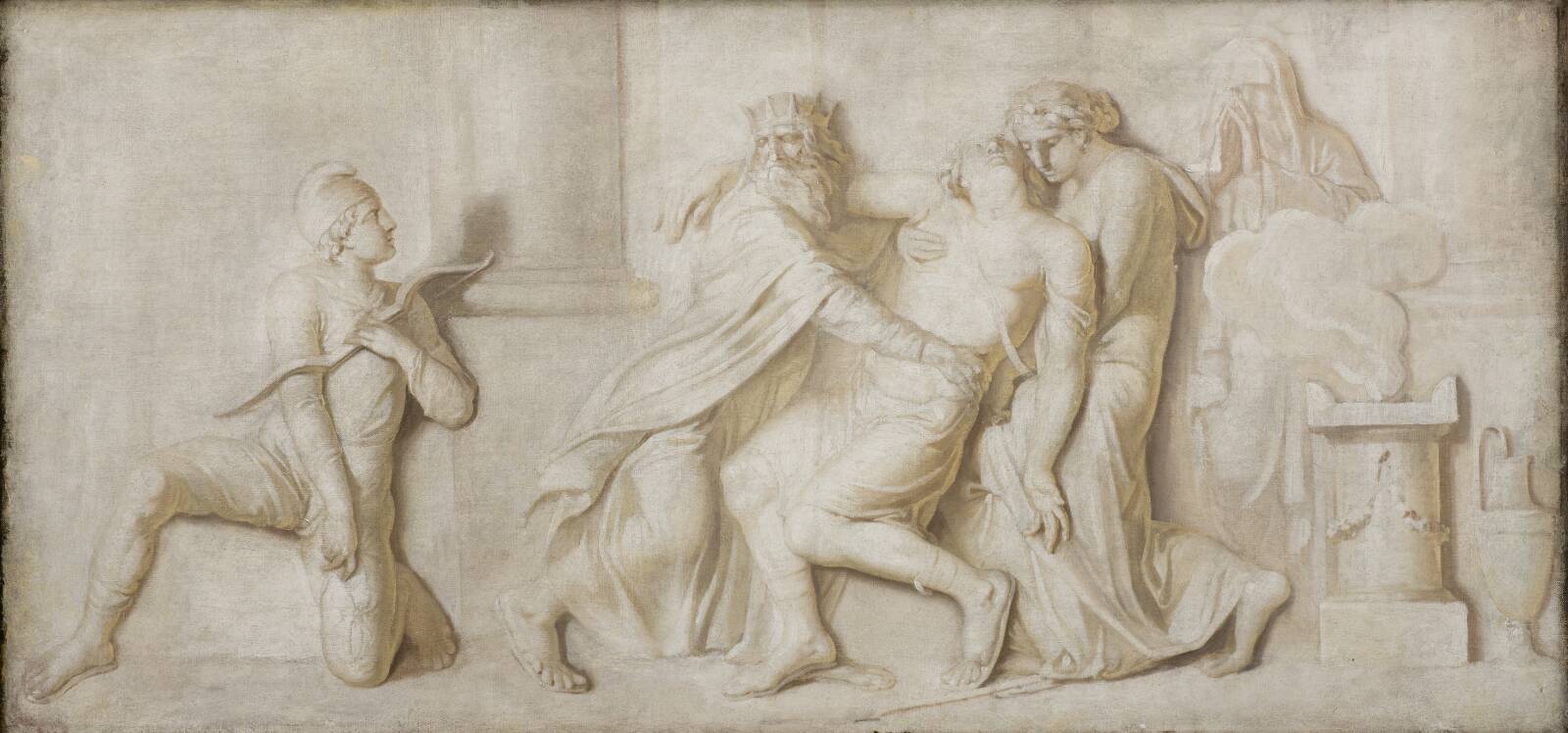
 Nicolai AbildgaardDanmark, 1743–1809
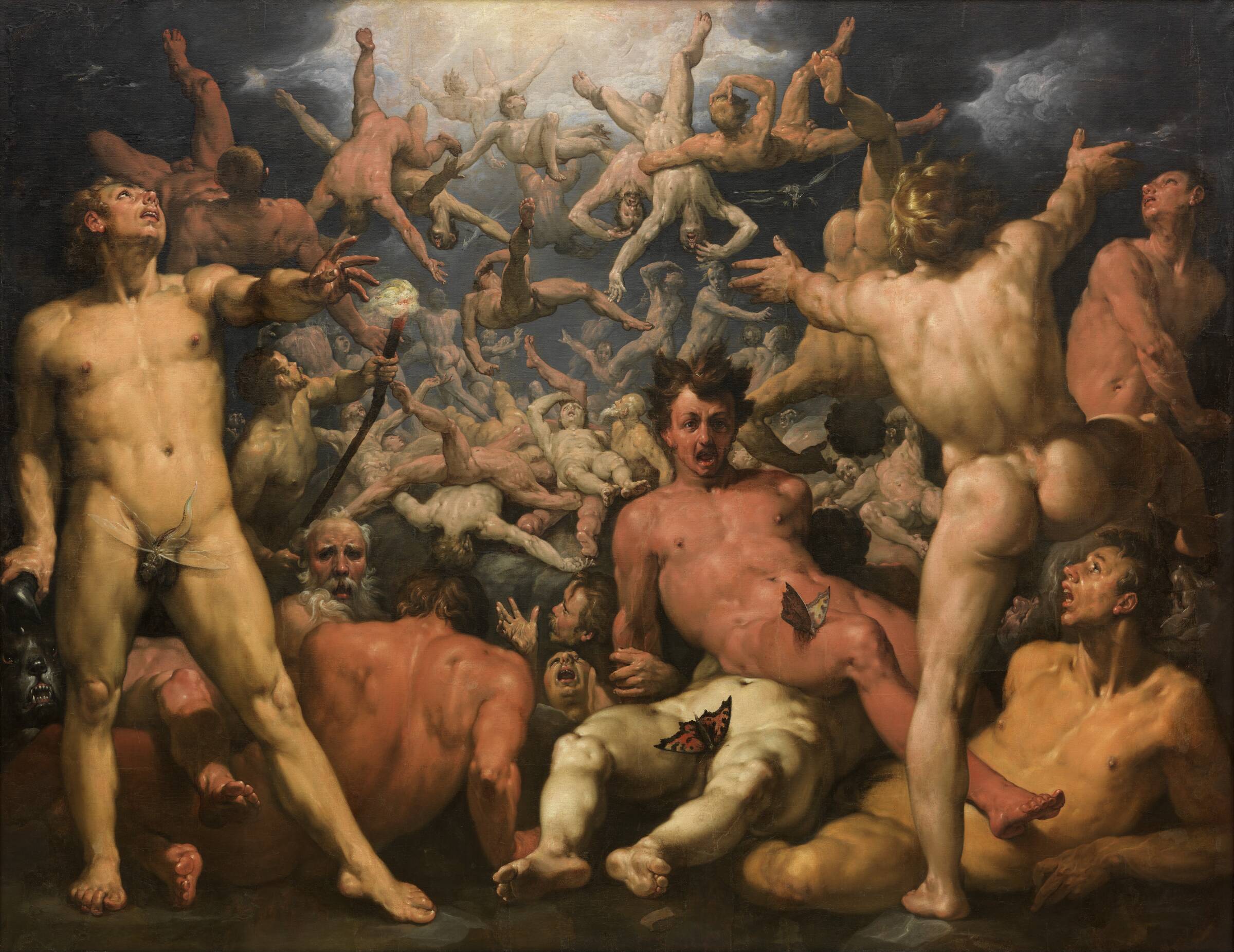
Achilleus' død for Paris' pileskud
Kan det ses?
Ikke udstillet lige nu
Hvor er »Achilleus' død for Paris' pileskud« i dag? Samling: Statens Museum for Kunst, København. Ikke udstillet lige nu. Kontrolleret 12. oktober 2026.

København, Danmark
Det hører til samlingen, men er ikke udstillet for tiden.
- Kontrolleret
- Uændret siden
- Kilde
- Museet
Oplysninger
- Inventarnummer
- KMS3357
I kataloget
Kilder
- Statens Museum for Kunst
- Billede: Statens Museum for Kunst — public domain
Imens i livet hos Nicolai Abildgaard
Hele livet1777–1794
His most productive years
Besides monumental works Abildgaard produced vignettes and illustrations, to Socrates and Ossian among others, designed Old Norse costumes, and did some sculpture, etching and writing.
1792
A design for the Freedom Column
A religious freethinker and advocate of political reform, Abildgaard supported the emancipation of the farmers, helped raise money for the Freedom Column (Frihedsstøtten) and contributed a design for the monument and for two reliefs on its base.
1794
“Jupiter Weighs the Fate of Mankind”: isolation
His clashes with the establishment, fuelled by provocative statements and satirical drawings, culminated when his allegory “Jupiter Weighs the Fate of Mankind” was shown at the Salon. Abildgaard was politically isolated and cut out of public debate by the censors.
1794
The Christiansborg fire destroys his canvases
The fire at Christiansborg Palace destroyed seven of the ten monumental paintings of the grand cycle. The project stopped, and with it the painter’s income.
1794–1798
Decorating the Levetzau Palace at Amalienborg
After the fire Abildgaard obtained decorative commissions and the chance to work as an architect: he decorated the Levetzau Palace (now Christian VIII’s Palace) at Amalienborg, home of King Christian VII’s half-brother Frederik, with his protégé Bertel Thorvaldsen leading the sculptural work. He drew up plans for rebuilding Christiansborg but did not get the commission.