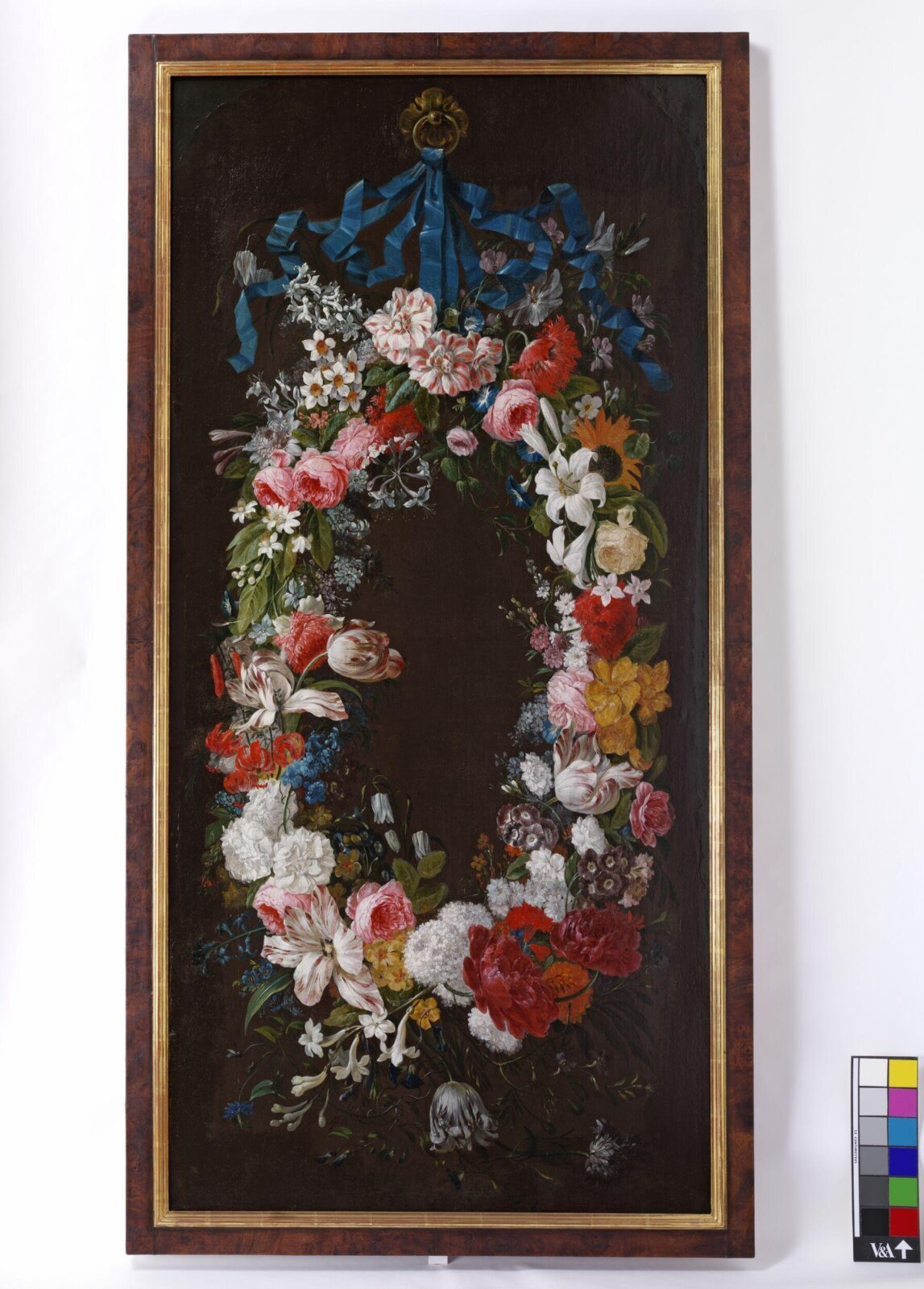
 Daniyel Segers (1590-1661); Tomas Villeboyrts BosskhartFlandern, 1590–1661
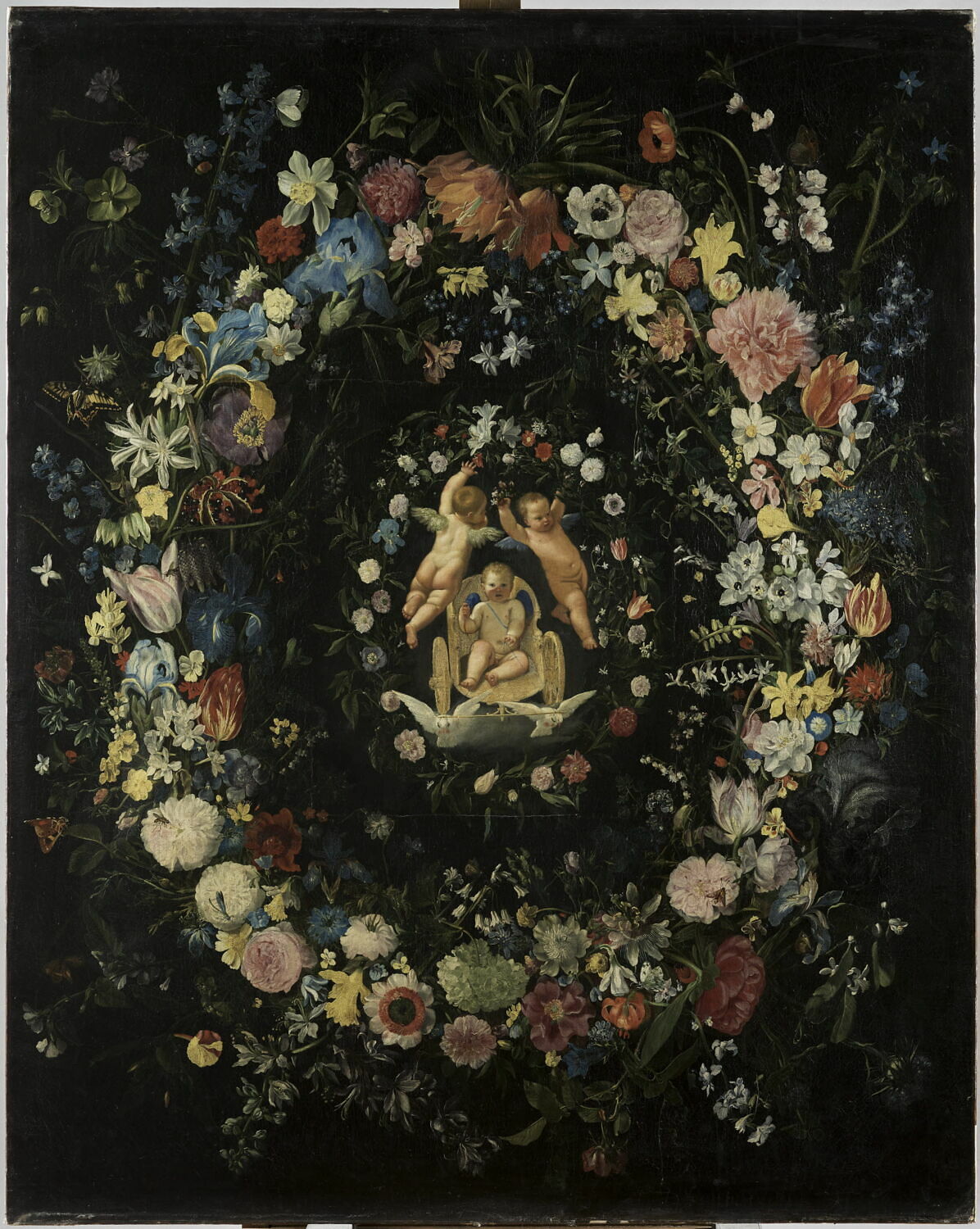
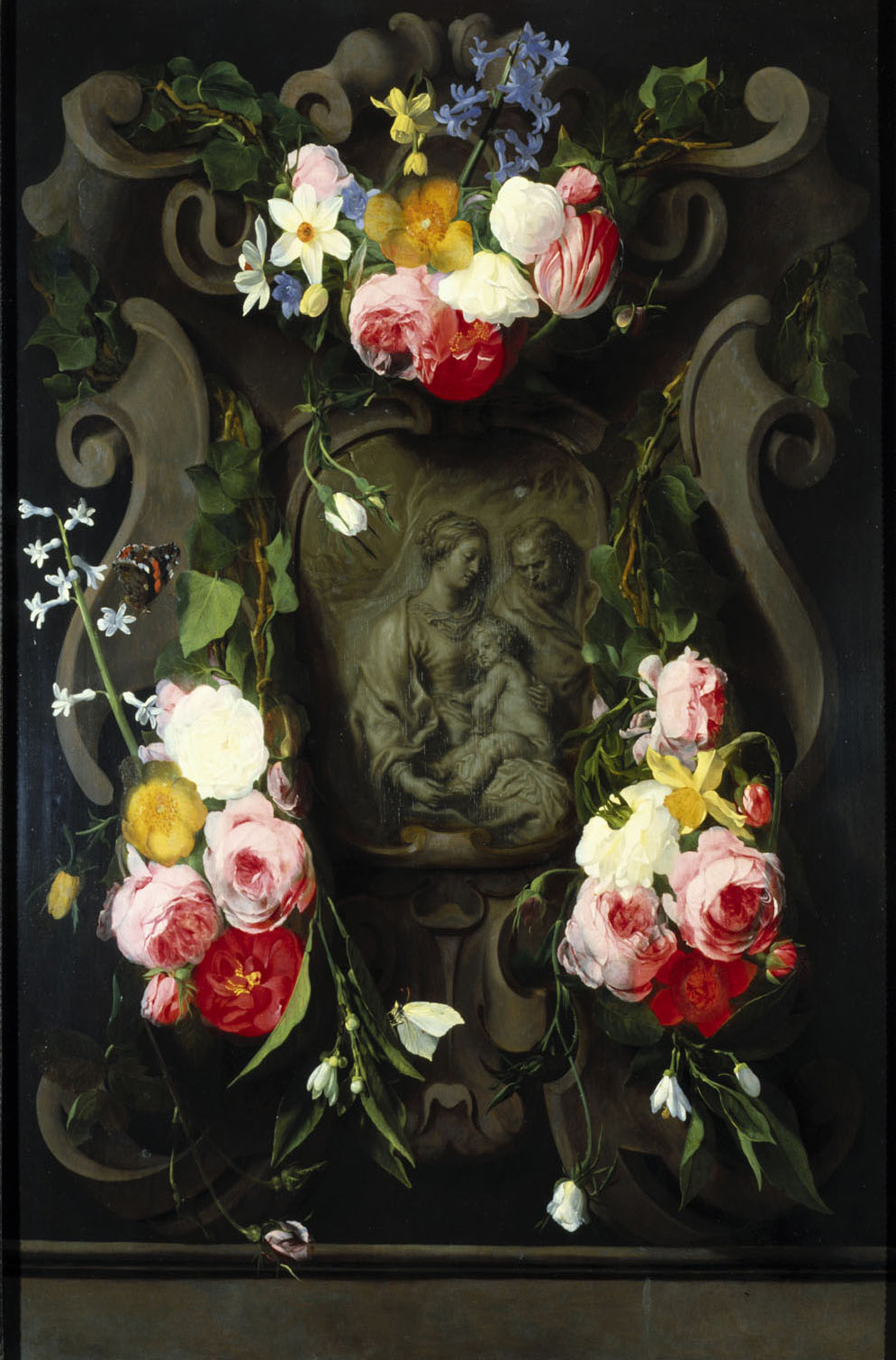
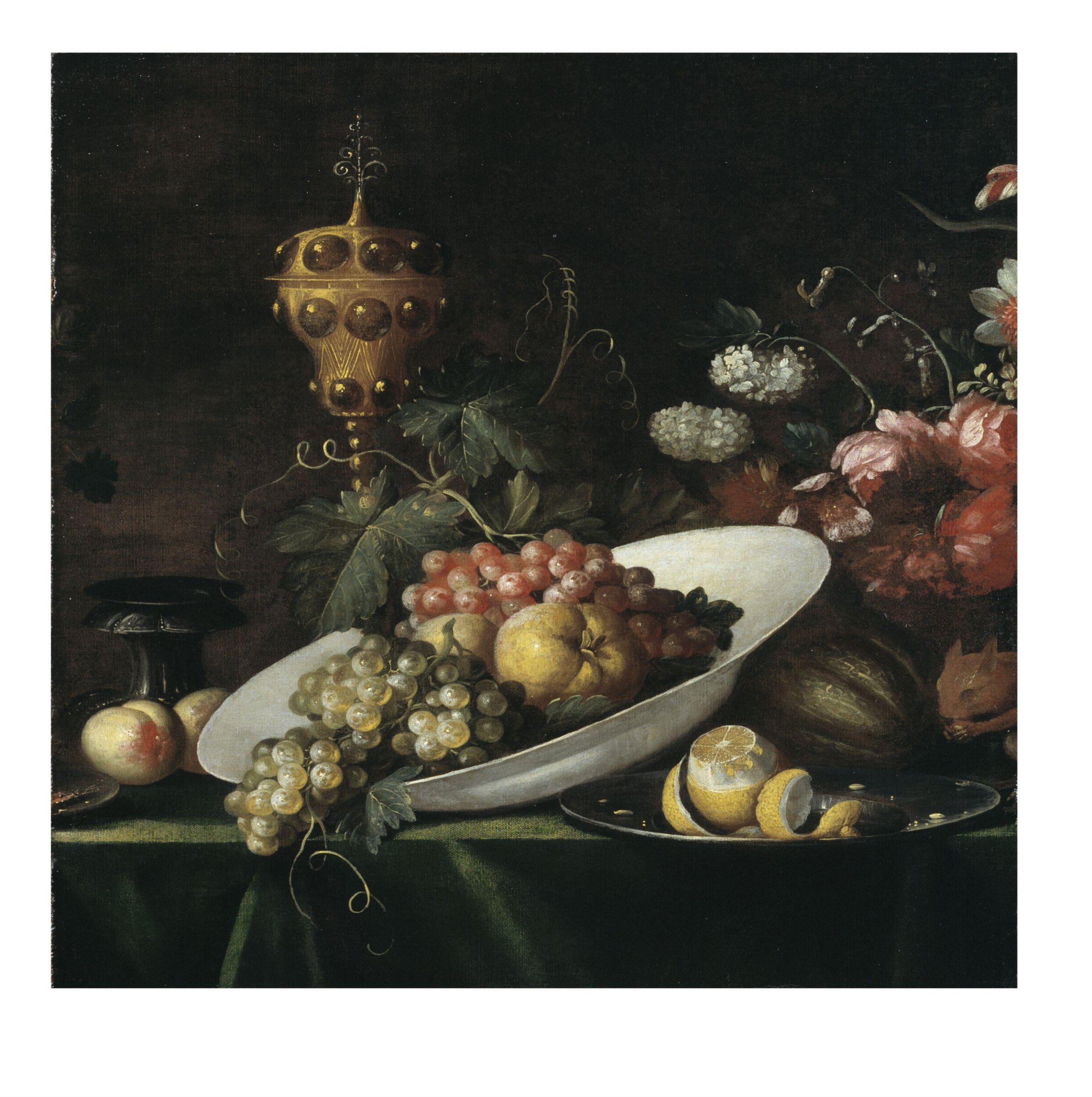
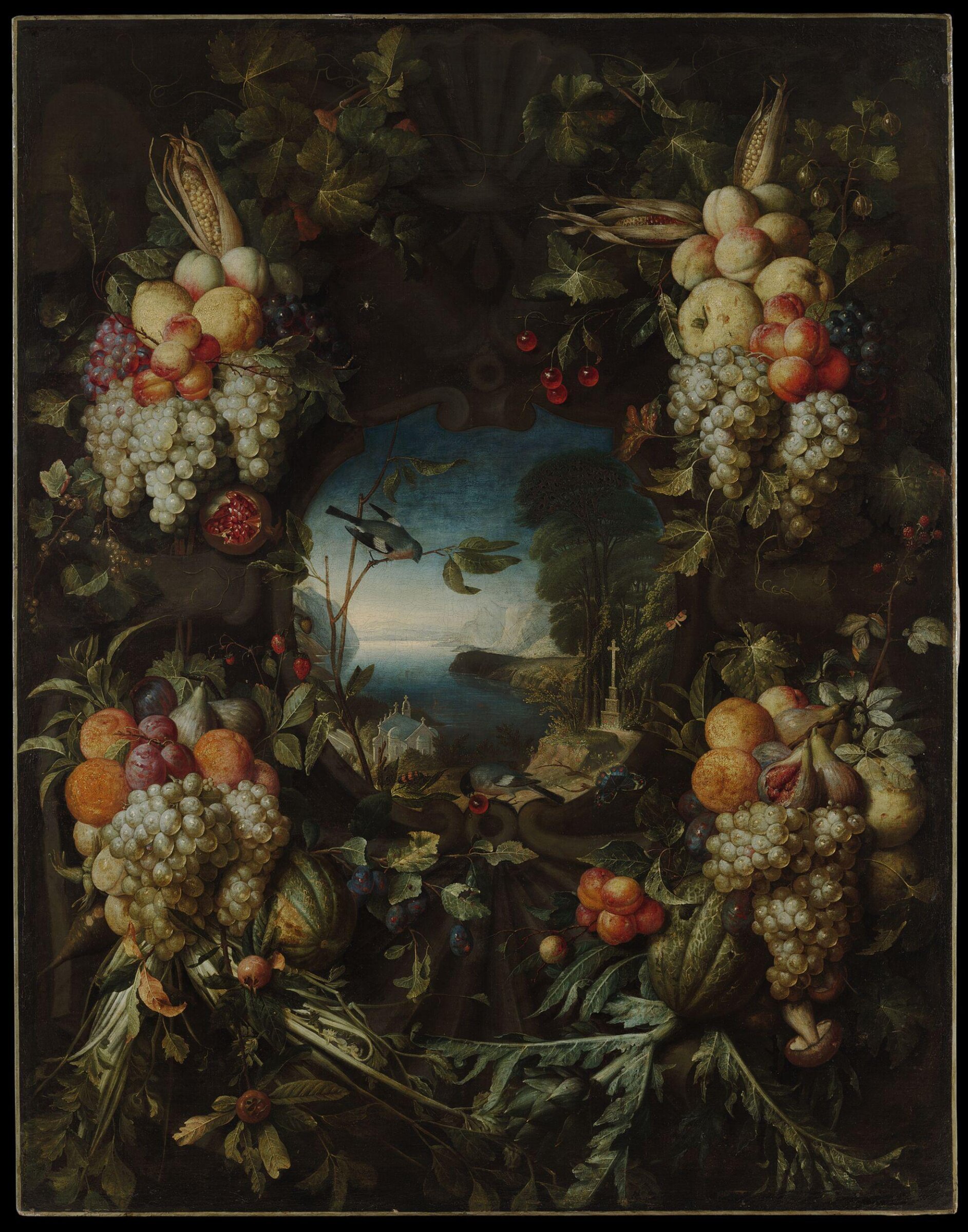
A Wreath of Flowers
Kan det ses?
Ja, udstillet nu
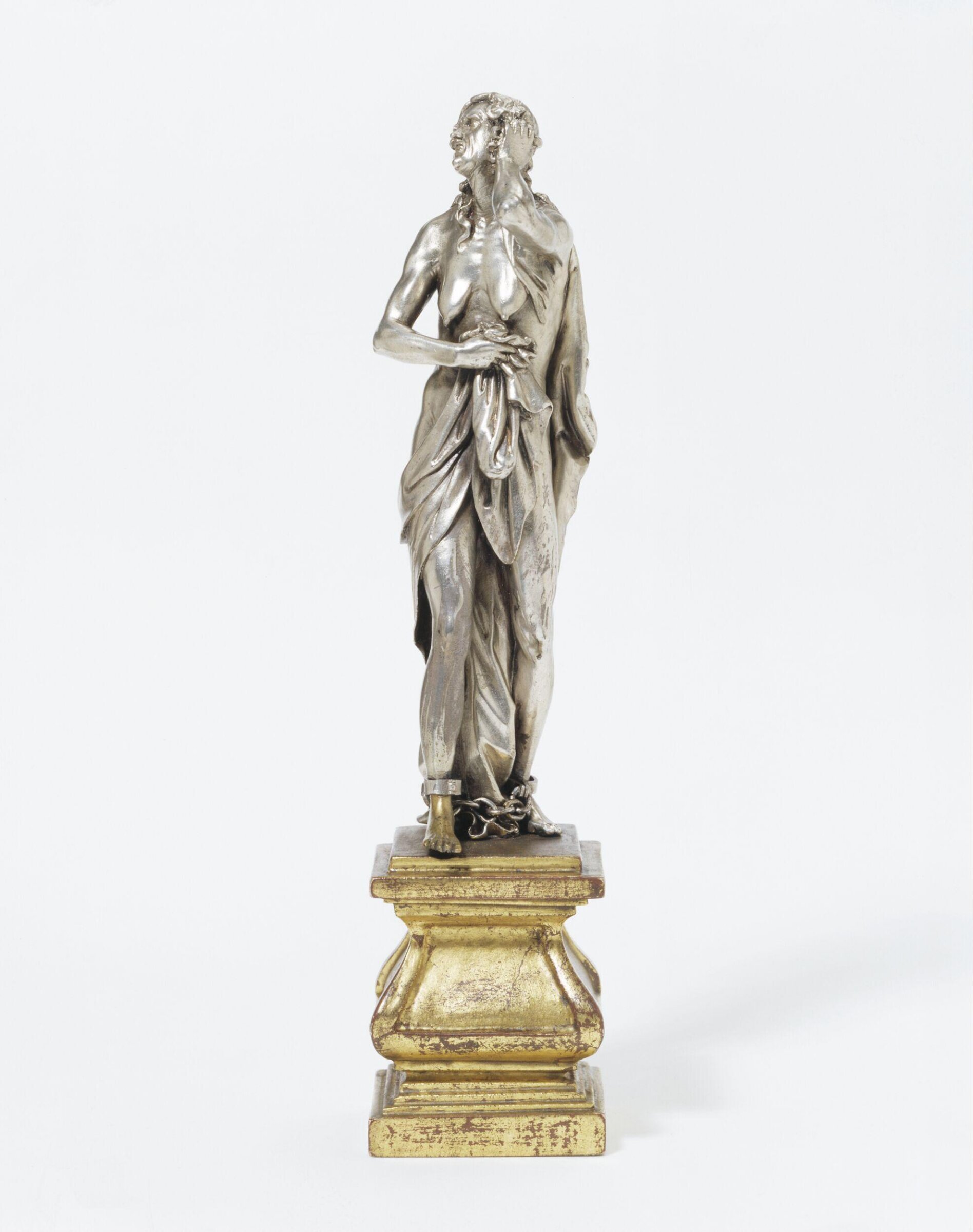
Hvor er »A Wreath of Flowers« i dag? Victoria and Albert Museum, Silver, Room 69, London. Ja, udstillet nu. Kontrolleret 12. oktober 2026.

Lukker snart· til kl. 17.45
Udstillet for publikum.
- Kontrolleret
- Uændret siden
- Kilde
- Museet
Om maleriet
Daniel Seghers, (1590- 1661), was a Flemish painter and pupil of Jan Breughel the elder. Seghers entered the Jesuit Order as a lay brother in Mechelen in 1614. He is recorded as a painter at the Collège de Bruxelles in 1621, when he produced two large Garlands of Flowers for the cathedral of St Michel in Brussels. In 1625 he took his final vows as a Jesuit priest, and from then onwards he signed his pictures as Daniel Seghers Societatis Jesu. After his ordination, he went to Rome, where he spent two years. In 1627 he returned to Antwerp and remained there until his death, working as a flower painter at his monastery.
Læs videre
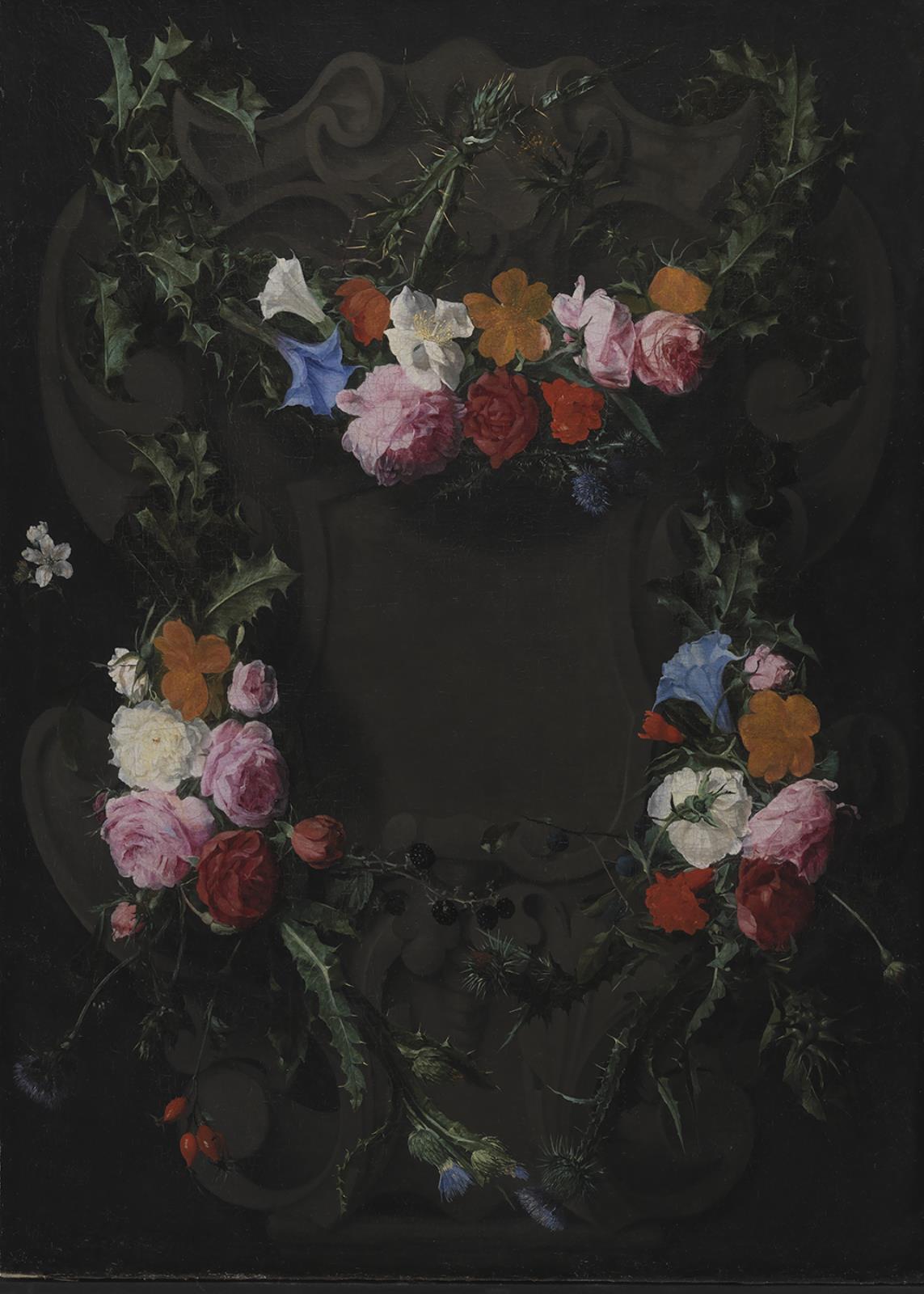
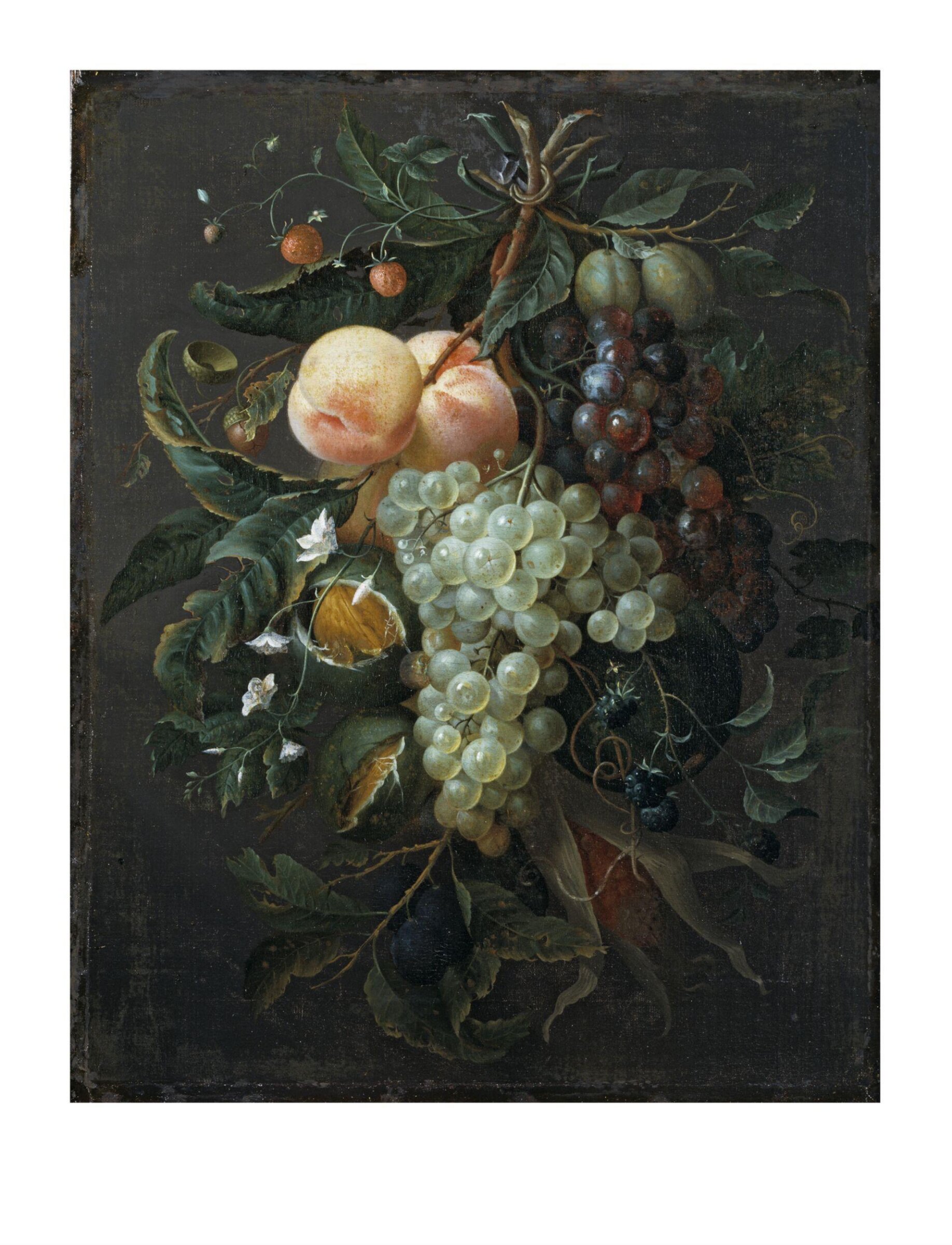
Bunches, garlands and wreaths of fruit and flowers such as this were generally associated with fertility and the realm of nature or with personified allegories such as Ceres or Abundantia. The Flemish artist Jan Brueghel the Elder (1568-1625) was the first to associate such garlands with religious ideas in a commissioned painting: Madonna with Floral Wreath (Milan, Pinacoteca Ambrosiana). Such wreaths were often painted as foliate frames for landscape or devotional scenes at the centre but were also left empty. There is a discernable distinction between works of this genre in the Southern and those of the Northern Netherlands. In Antwerp (Belgium) the Brueghel tradition was perpetuated, its chief exponents being Jan Brueghel the Younger and Daniel Seghers.
Seghers developed the genre of garland painting, combining garlands into wreath-like compositions encircling a central representation, thus creating the concept of the cartouche flower piece, followed by Jan Brueghel the Younger and others. This work has affinities flower pieces painted at the beginning of the eighteenth century by a group of painters, influenced by the French and Italian art of the time, working with impasto opaque paint in a broad, decorative style quite foreign to North Netherlandish art. The flowers represented here are ones which bloom in different periods of the year and are depicted in various stages of their life cycle- from closed buds to full blossoms. Each flower has a different spiritual symbolic meaning or association which, once recognised, adds another dimension to the work.
Carnations, roses and lilies have long been associated with the Virgin for example while the sunflower signified believer’s devotion to the Catholic church. Equally, these varied, sometimes exotic and expensive flowers suggested the temporal nature of wealth and beautycomposition and execution of this work suggests a follower of Daniel Seghers working in the 18th century.
Victoria and Albert Museum
Oplysninger
- Inventarnummer
- S.EX.1-1889
Hvad det viser
I kataloget
Kilder
- Victoria and Albert Museum
- Billede: Victoria and Albert Museum — © Victoria and Albert Museum, London