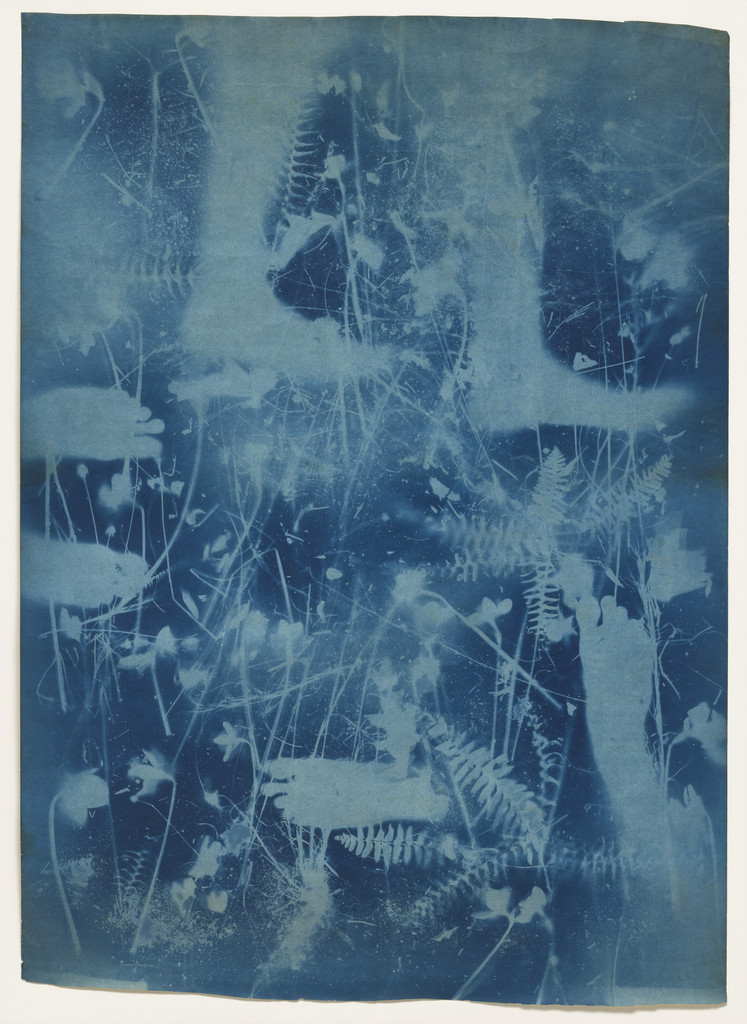
Robert RauschenbergSpojené státy americké, 1925–2008
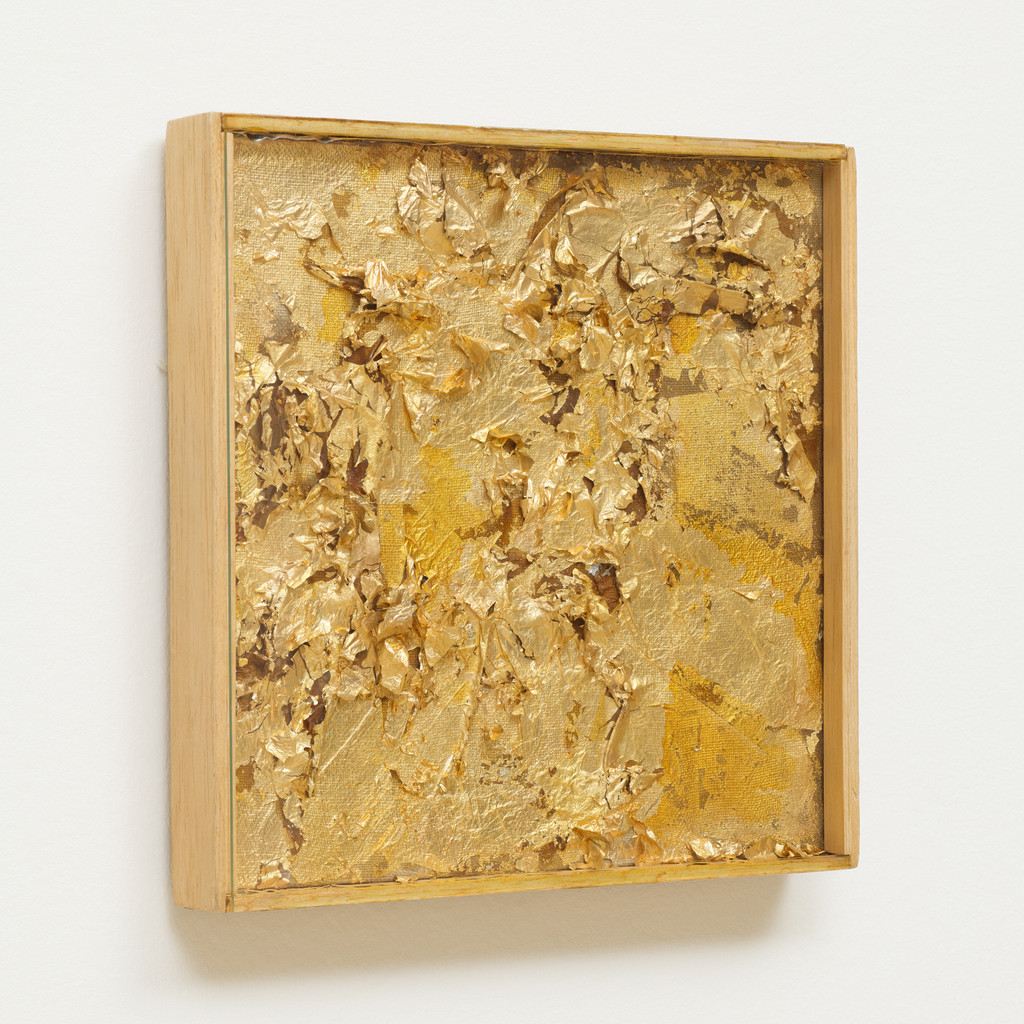
Untitled
Je k vidění?
Momentálně není vystaveno
Kde je teď „Untitled“? Sbírka: Národní galerie ve Washingtonu, Washington, D.C. Momentálně není vystaveno. Ověřeno 9. listopadu 2026.

Washington, D.C., Spojené státy americké
Patří do sbírky, ale momentálně není vystaveno.
- Ověřeno
- Tento stav platí od
- Zdroj
- Muzeum
Podrobnosti
- Inventární číslo
- 1985.48.36
Co zobrazuje
V katalogu
Zdroje
- Národní galerie ve Washingtonu
- Obrázek: Národní galerie ve Washingtonu — © the artist or rights holder
V životě: Robert Rauschenberg
Celý životopisautumn 1970
Moves to Captiva for good
From the autumn of 1970 the Captiva house became Rauschenberg's permanent home and studio. The first works made there were the “Cardboards” (1971–72) and “Early Egyptians” (1973–74) series, from locally sourced cardboard and sand: instead of urban imagery he now favoured the natural fibres of fabric and paper.
1970
Sets up Change, Inc. to help artists
Rauschenberg created Change, Inc., a programme awarding one-time emergency grants of up to $1,000 to visual artists in financial need.
1970
Helps create the Pepsi Pavilion at Expo '70 in Osaka
Rauschenberg took part in creating the Pepsi Pavilion for the 1970 World Exposition in Osaka; the opening was directed by the choreographer and artist Remy Charlip.
1973
The Scull auction and the fight for artists' royalties
In 1973 the taxi baron Robert Scull sold Rauschenberg's paintings “Thaw” and “Double Feature”, bought for $900 and $2,500, for $85,000 and $90,000 at Sotheby Parke Bernet. The artist took up the fight for resale royalties for artists (droit de suite), lobbying the US Congress for a law.