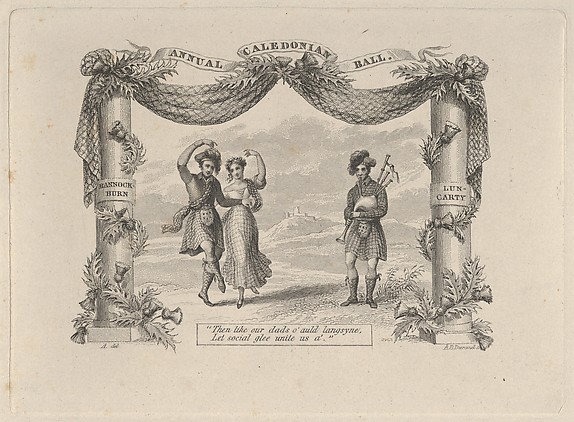
Aelbert CuypNizozemsko, 1620–1691
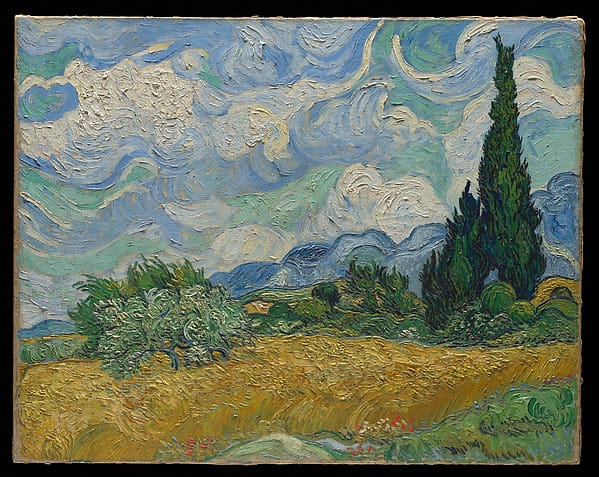
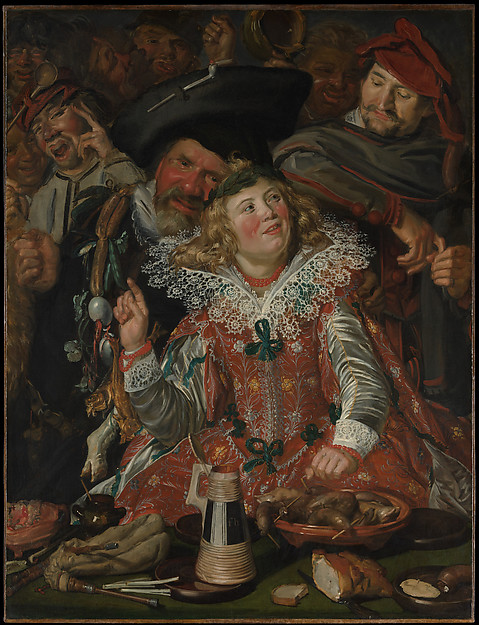
Piping Shepherds
Je k vidění?
Momentálně není vystaveno
Kde je teď „Piping Shepherds“? Sbírka: Metropolitní muzeum umění, New York. Momentálně není vystaveno. Ověřeno 11. listopadu 2026.

New York, Spojené státy americké
Patří do sbírky, ale momentálně není vystaveno.
- Ověřeno
- Tento stav platí od
- Zdroj
- Muzeum
Podrobnosti
- Inventární číslo
- 25.110.15
Co zobrazuje
V katalogu
Zdroje
- Metropolitní muzeum umění
- Obrázek: Metropolitní muzeum umění — Open Access (CC0)
V životě: Aelbert Cuyp
Celý životopisearly 1640s
The van Goyen period: tonal landscapes
Probably in 1640 Cuyp first sees a painting by Jan van Goyen and takes from him straw-yellow and light-brown tones and the broken brushstroke, painting mostly small views of his native Holland with figures and animals. Direct training under van Goyen is not documented.
1641
Paints landscape backgrounds for his father's portraits
The only child of the portraitist Jacob Gerritsz Cuyp, from a family of artists (his grandfather Gerrit and uncle Benjamin designed stained glass), Aelbert paints the landscape backgrounds for two of his father's group portraits, distinctly in van Goyen's manner. His father was his first teacher, and they collaborated for many years.
c. 1645
Jan Both's influence: light against the sun
Jan Both, just back in Utrecht from Italy, brings a manner developed in contact with Claude Lorrain: the light moves to a diagonal from the back of the picture, facing the sun contre-jour. Cuyp is one of the first Dutch painters to appreciate it, by some scholars' account through personal contact with Both in Utrecht, and in his short Both-inspired phase makes fuller use than any contemporary of the chromatic range of sunsets and sunrises.
1645–1650
Animals step into the foreground
In some paintings from 1645 to 1650 animals appear in the foreground in a way that does not fit his father's style: Aelbert moves from pure landscape to large forms and foreground figures and makes animals the focus of his pictures, something specific to him. The change is attributed to his interaction with his father.