André KertészSpojené státy americké, 1894–1985
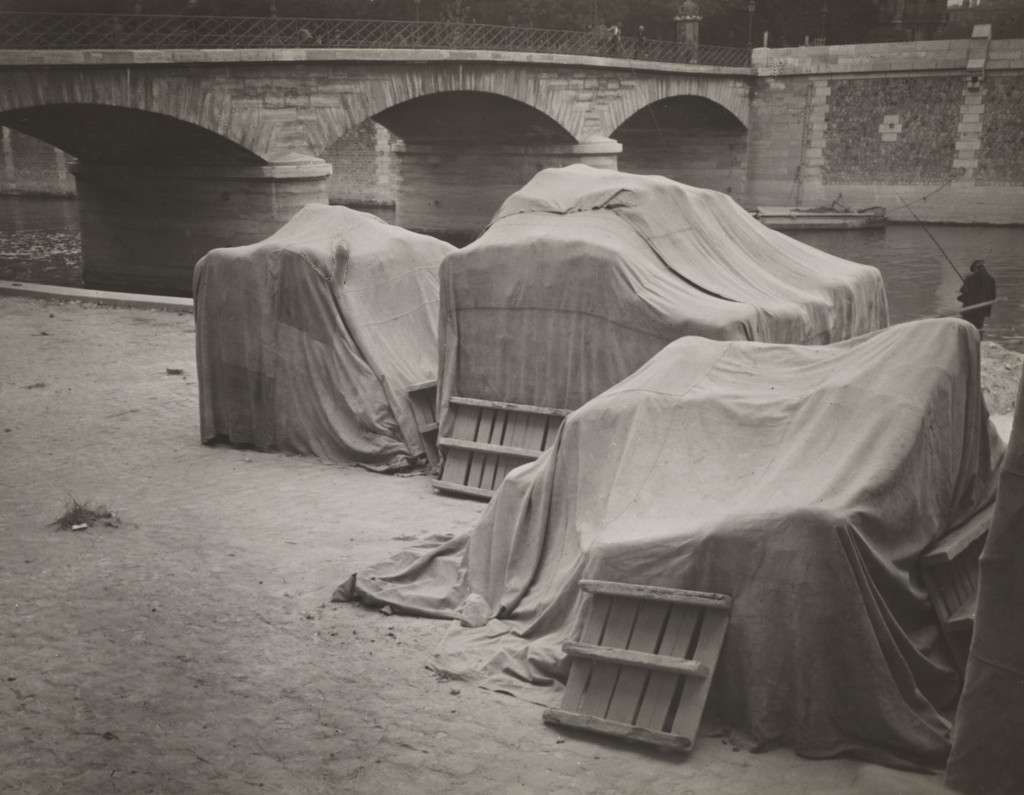
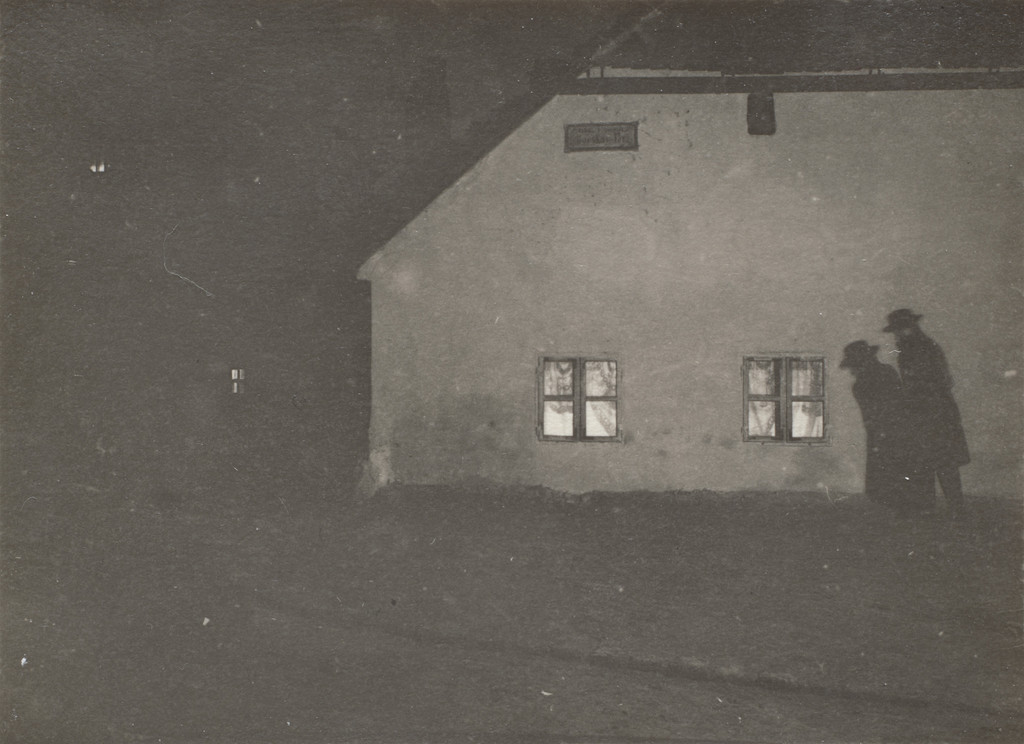
Marionettes de Pilsner
Je k vidění?
Momentálně není vystaveno
Kde je teď „Marionettes de Pilsner“? Sbírka: Národní galerie ve Washingtonu, Washington, D.C. Momentálně není vystaveno. Ověřeno 9. listopadu 2026.

Washington, D.C., Spojené státy americké
Patří do sbírky, ale momentálně není vystaveno.
- Ověřeno
- Tento stav platí od
- Zdroj
- Muzeum
Podrobnosti
- Inventární číslo
- 2019.88.1
Co zobrazuje
V katalogu
Zdroje
- Národní galerie ve Washingtonu
- Obrázek: Národní galerie ve Washingtonu — © the artist or rights holder
V životě: André Kertész
Celý životopis1925–1936
The circle of Hungarian émigrés and portraits of friends
In Paris he is among numerous Hungarian artists, including François Kollar, Robert Capa, Emeric Fehér, Brassaï and Julia Bathory, as well as Man Ray, Germaine Krull and Lucien Aigner, who also emigrated there, and becomes involved with the Dada movement; visiting his sculptor friends, he is fascinated by Cubism. He makes photo portraits of the painters Piet Mondrian and Marc Chagall, the writer Colette and the film-maker Sergei Eisenstein.
1927
His first solo exhibition at the Au Sacre du Printemps gallery
Jan Slivinsky presents 30 of his photographs at the “Sacre du Printemps Gallery”, and Kertész becomes the first photographer to have a one-man exhibition. At the show Paul Dermée dubs him “Brother Seer” and “Brother Seeing Eye”, alluding to a medieval monastery where all the monks were blind but one; Kertész has become connected with members of the growing Dada movement.
late 1920s
A secret marriage to Rosza Klein (Rogi André)
He secretly marries the French portrait photographer Rosza Klein, who worked under the name Rogi André; the marriage is short-lived and he never speaks about it.
1928
Switches to a Leica
He switches from plate-glass cameras to a Leica; this period is one of his most productive, with daily photographing divided between magazine commissions through the late 1920s and his personal pieces.
1930
A silver medal at the Exposition Coloniale
At the Exposition Coloniale in Paris he is awarded a silver medal for services to photography.
1931
Elizabeth joins him in Paris
He had gone back to Hungary in 1930 to visit his family, and after his return to Paris Elizabeth follows him in 1931, despite opposition from her family; she had stayed behind until her future husband was well enough established in Paris for them to marry. Elizabeth and André remain together for the rest of their lives.