 Ernst Ludwig KirchnerNěmecko, 1880–1938
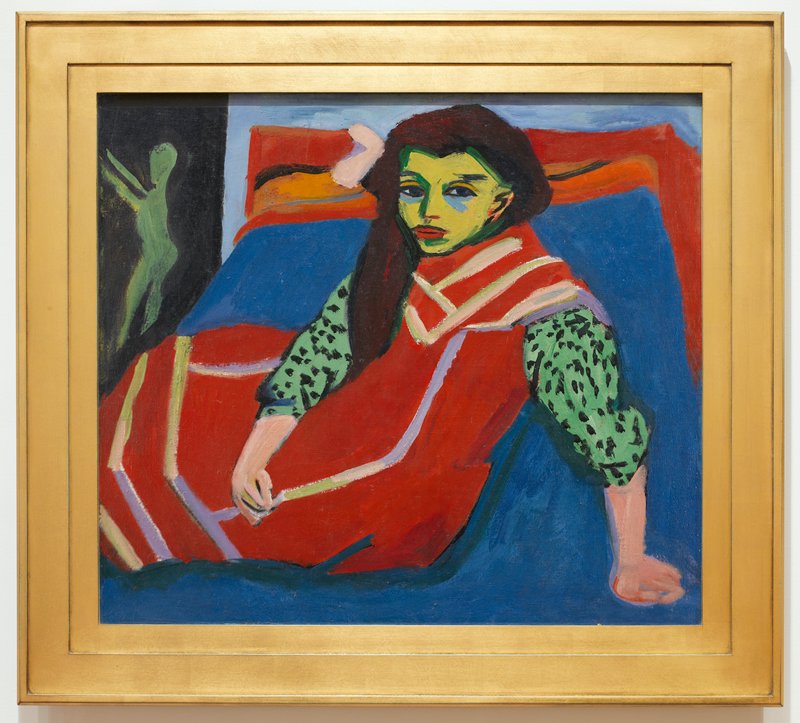
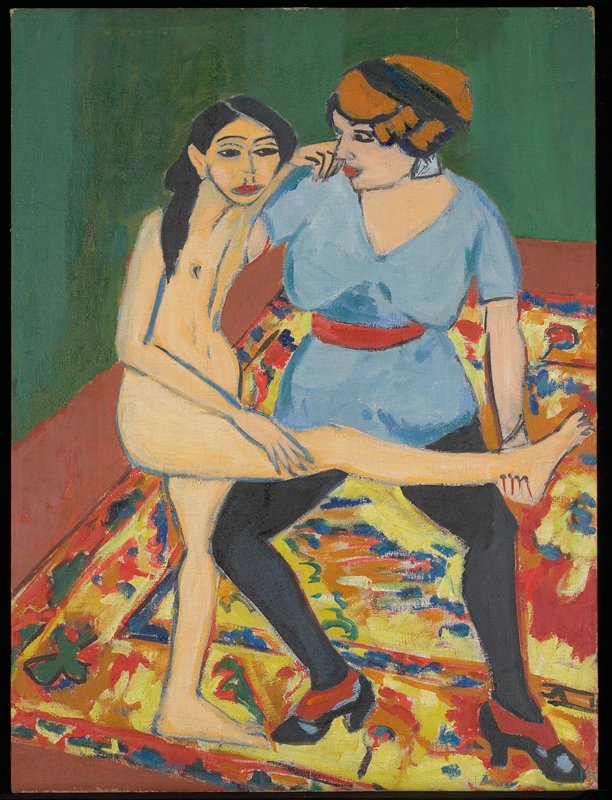
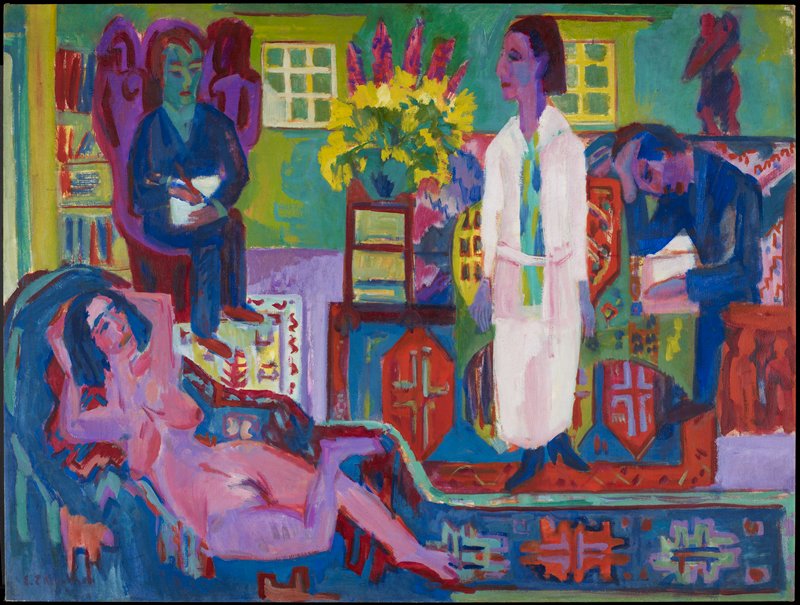
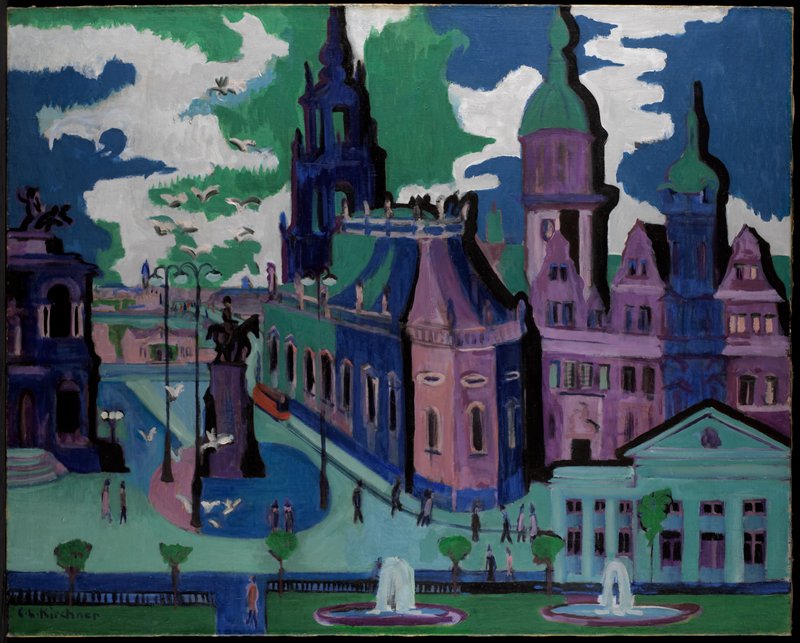
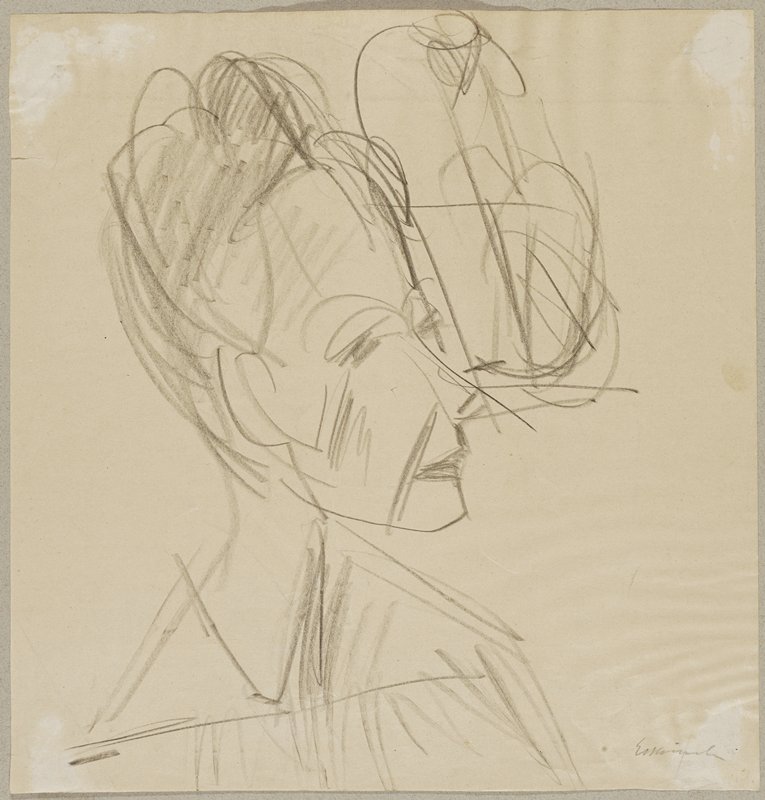
Head Study, Facing Right
Je k vidění?
Momentálně není vystaveno
Kde je teď „Head Study, Facing Right“? Sbírka: Minneapoliský institut umění, Minneapolis. Momentálně není vystaveno. Ověřeno 9. listopadu 2026.

Minneapolis, Spojené státy americké
Patří do sbírky, ale momentálně není vystaveno.
- Ověřeno
- Tento stav platí od
- Zdroj
- Muzeum
Podrobnosti
- Inventární číslo
- 2015.93.11
V katalogu
Zdroje
- Minneapoliský institut umění
- Obrázek: Minneapoliský institut umění — public domain
V životě: Ernst Ludwig Kirchner
Celý životopis1913
The “Brücke Chronicle” and the break-up of the group
In 1913 Kirchner wrote the “Chronicle of the Brücke group,” in which, his comrades felt, he overstated his own role in its creation; a quarrel followed, Kirchner left the Brücke and the group fell apart.
1913
First solo exhibition in Essen
In 1913 the Folkwang Museum in Essen held Kirchner’s first solo exhibition, which established his individual identity beyond the group.
September 1914
Volunteers for the First World War
In September 1914, at the outbreak of the First World War, Kirchner volunteered for military service.
1915
Driver training in Halle and discharge
In July 1915 Kirchner was sent to Halle an der Saale to train as a driver in the reserve unit of the 75th Mansfeld Field Artillery Regiment; after a mental breakdown his riding instructor, Professor Hans Fehr, arranged for Kirchner’s discharge from service.
summer 1917
The Reusch Hut on the Stafelalp
Resenting Dr. Spengler’s constant watch and doing all he could to deceive him, Kirchner moved to the Reusch Hut on the Stafelalp in the summer of 1917; Erna Schilling stayed in Berlin, looking after the apartment and studio and keeping up commercial and personal contacts in Germany.
1918
Moves to the “In den Lärchen” farm in Davos
In 1918 Kirchner received a residence permit and moved to the “In den Lärchen” farm above Längmatte in Davos — first renting a room in the upper hut, and in 1919 the rooms above — and furnished it with furniture he carved himself; he wrote to Henry van de Velde of a beautiful old Grisons house with a kitchen like Rembrandt’s studio.