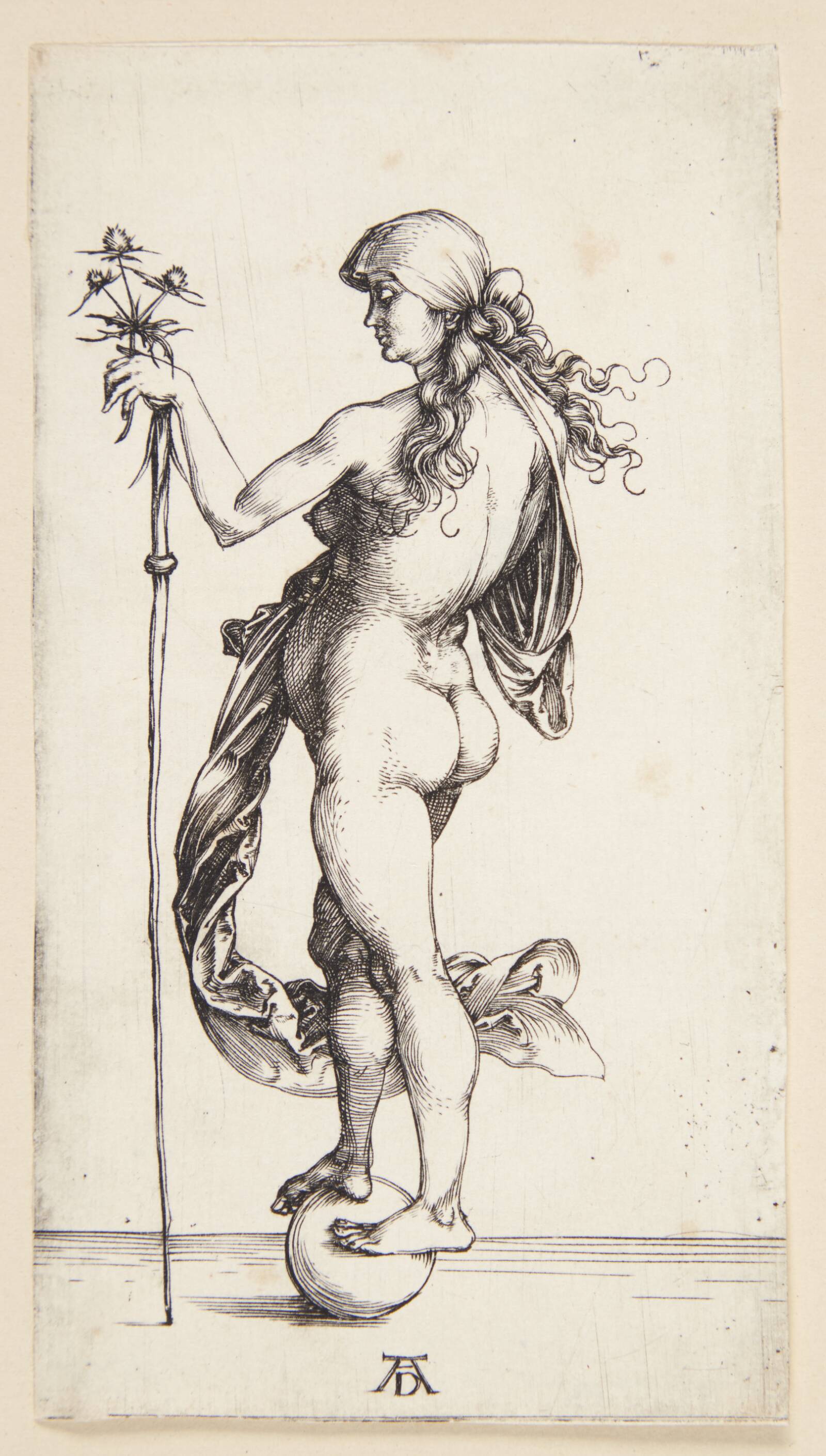
 Albrecht DürerNěmecko, 1471–1528
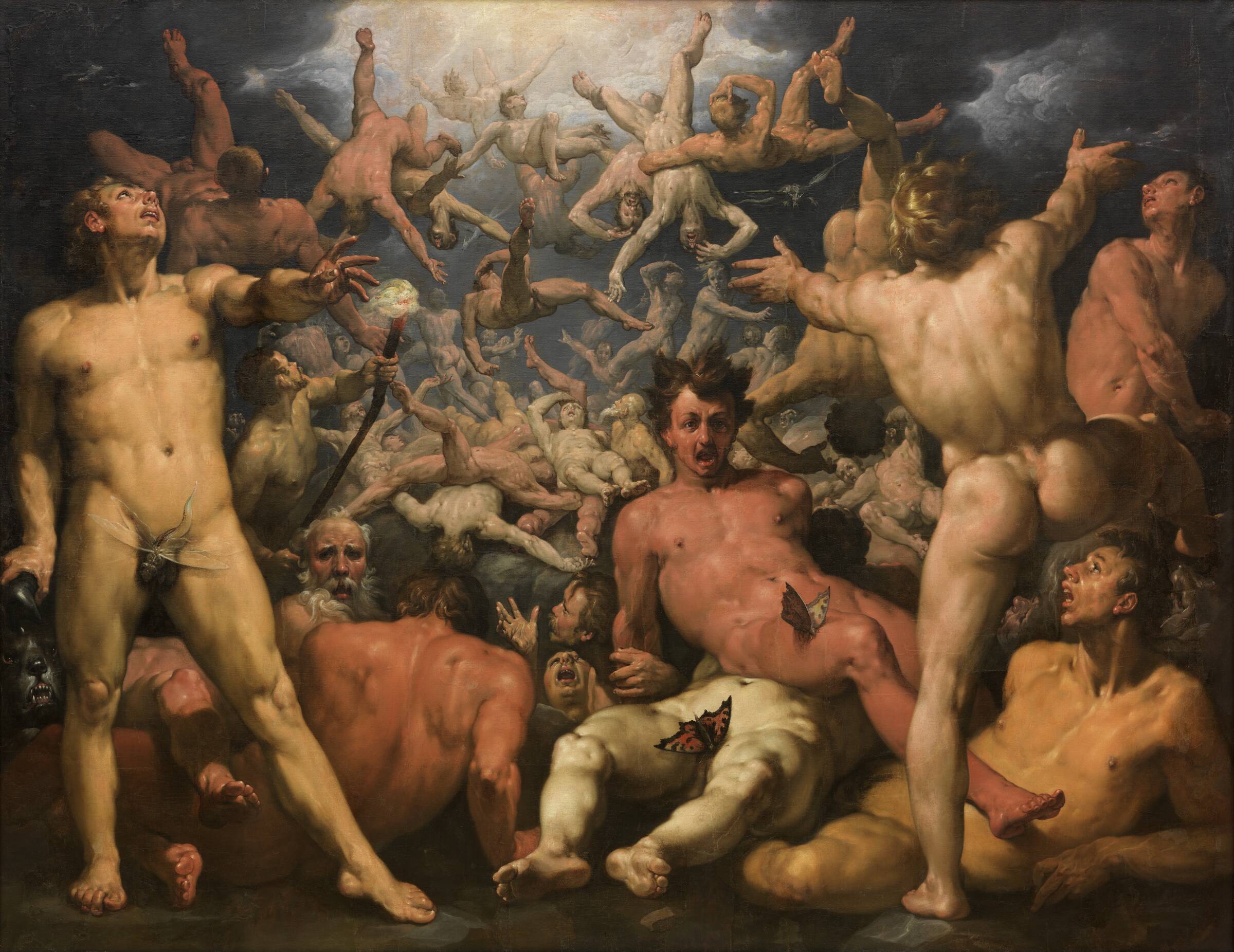
Fortuna
Je k vidění?
Momentálně není vystaveno
Kde je teď „Fortuna“? Sbírka: Státní muzeum umění, Kodaň. Momentálně není vystaveno. Ověřeno 2. listopadu 2026.

Kodaň, Dánsko
Patří do sbírky, ale momentálně není vystaveno.
- Ověřeno
- Tento stav platí od
- Zdroj
- Muzeum
Podrobnosti
- Inventární číslo
- KKSgb9586
V katalogu
Zdroje
- Státní muzeum umění
- Obrázek: Státní muzeum umění — public domain
V životě: Albrecht Dürer
Celý životopis1492
Colmar: Schongauer had died before he arrived
Dürer had hoped to meet Martin Schongauer, the celebrated copper engraver, but he had died on 2 February 1491. The master's brothers received the young man with honour and let him work in the workshop; probably with Ludwig Schongauer's help he learned engraving with the burin on copper.
c. 1492 – 1494
Basel: woodcuts for the printers
In Basel, a centre of printing, Dürer stayed with Georg Schongauer. A woodblock for the title page of the Letters of St Jerome (1492), signed with his name on the back, led to the works of the “Master of the Bergmann Press” being attributed to him; he may also have worked on the woodcuts for Sebastian Brant's Ship of Fools.
1494
Marries Agnes Frey
Soon after returning to Nuremberg the 23-year-old Dürer married Agnes Frey, daughter of a prominent brass worker and amateur harpist; the match had been arranged in his absence, and marriage was required to open a workshop of his own. They had no children, and his letters suggest the marriage was not a happy one.
7. července 1494
Married: Agnes Dürer
1494–1495
First journey to Italy
Within three months of the wedding Dürer left alone for Italy, perhaps fleeing an outbreak of plague in Nuremberg. Crossing the Alps he made watercolour landscapes; in Venice he studied its art and judged Giovanni Bellini the best of its painters; Mantegna and Pollaiuolo left their mark on him.
1495
Opens his own workshop
Dürer opened his own workshop in Nuremberg, where over the next ten years he created much of his printmaking. His godfather, the publisher Anton Koberger, helped issue the first series; the city's crafts were governed by the Council rather than guilds, leaving him free to try new techniques and sell his own impressions.