Juan GrisŠpanělsko, 1887–1927
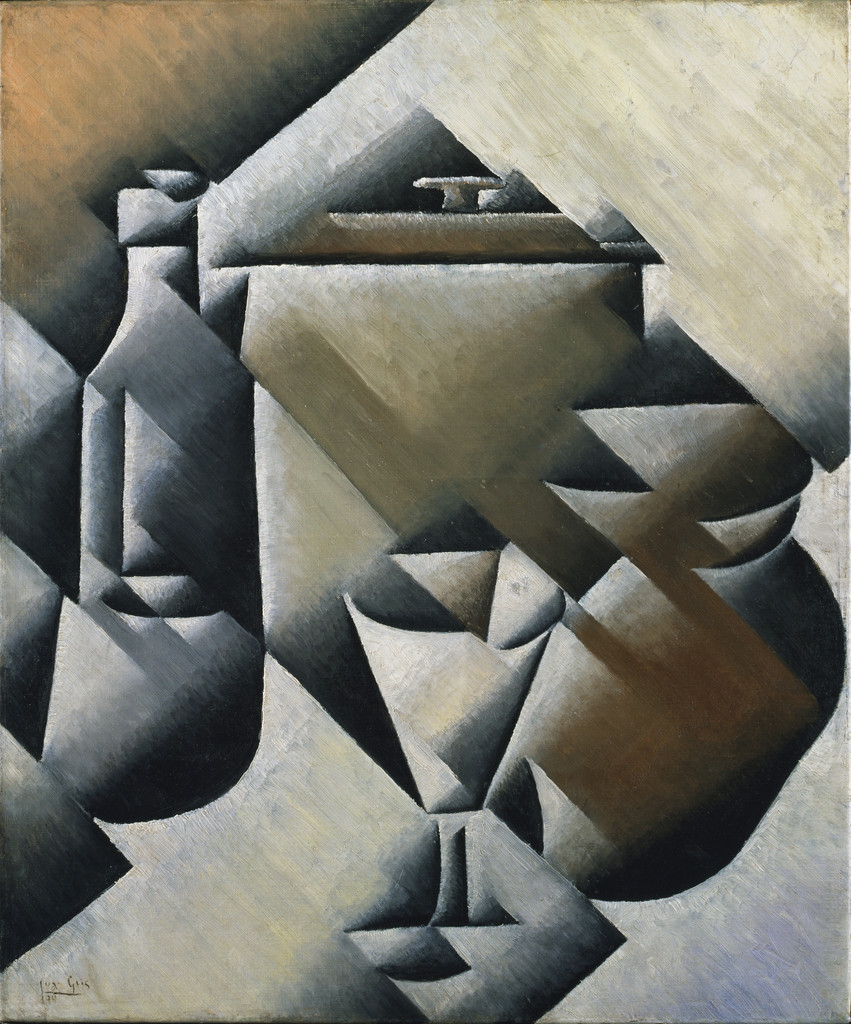
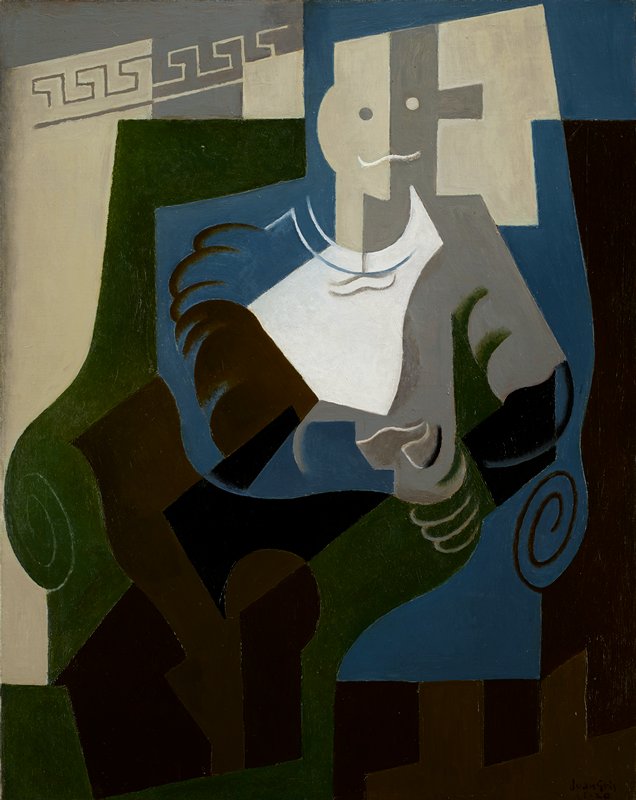
After Cézanne
Je k vidění?
Momentálně není vystaveno
Kde je teď „After Cézanne“? Sbírka: Institut umění v Chicagu, Chicago. Momentálně není vystaveno. Ověřeno 9. listopadu 2026.

Chicago, Spojené státy americké
Patří do sbírky, ale momentálně není vystaveno.
- Ověřeno
- Tento stav platí od
- Zdroj
- Muzeum
Podrobnosti
- Inventární číslo
- 1980.82
V katalogu
Zdroje
- Institut umění v Chicagu
- Obrázek: Institut umění v Chicagu — © the artist or rights holder
V životě: Juan Gris
Celý životopis1910s–1920s
The pupil Picasso “wished away”
Gris regarded Picasso as a teacher, but according to Gertrude Stein in The Autobiography of Alice B. Toklas, Picasso treated him with undisguised irritation: Gris was the only person Picasso wished away. At first Gris was spoken of only as Picasso’s follower, but when he became an independent artist and one of the leaders of Cubism, Picasso grew jealous.
1913–1918
From Analytical to Synthetic Cubism
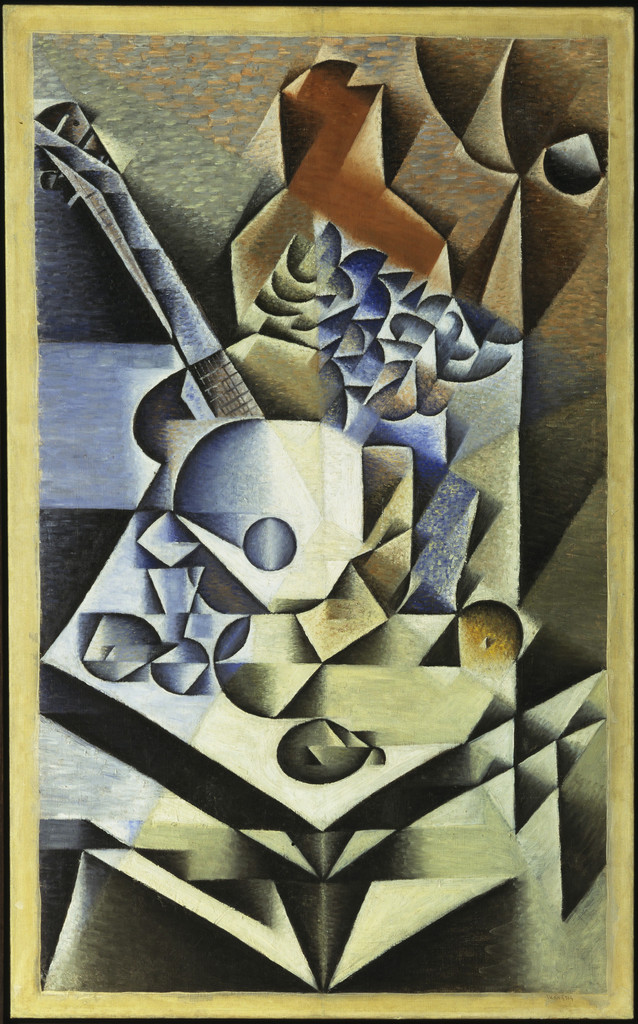
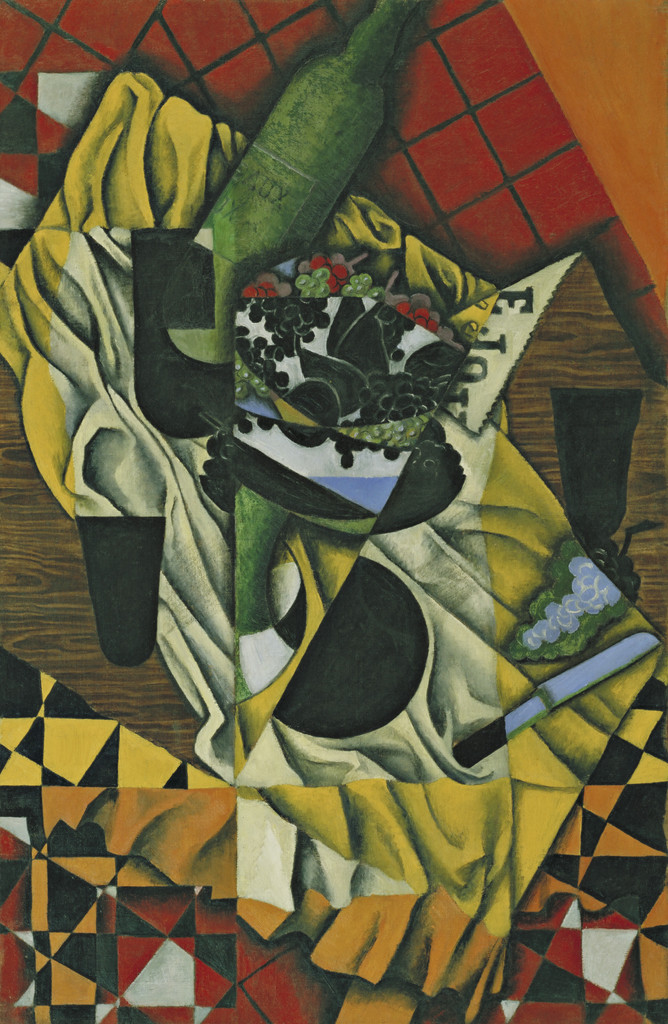
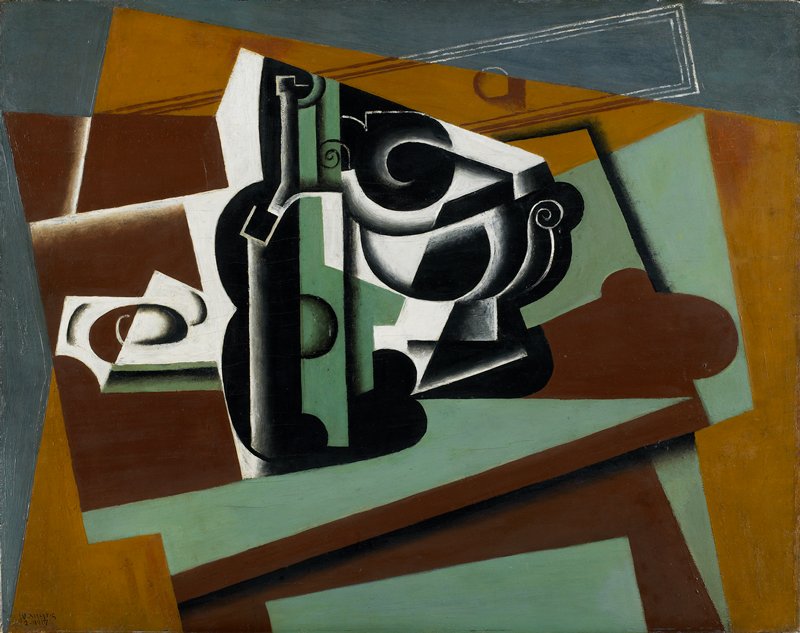
At first Gris painted in the style of Analytical Cubism, a term he himself later coined; after 1913 he converted to Synthetic Cubism, making extensive use of papier collé, or collage, an evolution that ran through 1914–1918. Unlike Picasso and Braque, whose Cubist works were practically monochromatic, he painted in bright harmonious colours in daring, novel combinations, in the manner of his friend Matisse.
1915
Modigliani paints Gris’s portrait
In 1915 his friend Amedeo Modigliani painted his portrait.